

The Ultimate 2026 What Can Chickens Eat List: Top 10 Foods for a Healthy Flock
Welcome to the ultimate guide on chicken nutrition. Feeding your flock is more than just scattering some grains; it's the foundation of their health, egg quality, and overall happiness. A common question every chicken keeper asks is, "what can my chickens eat?" This comprehensive article is designed to answer that question definitively, moving beyond generic advice to provide a detailed, actionable what can chickens eat list for your flock. Our goal is to empower you with the knowledge to create a balanced, diverse, and safe diet that will help your chickens thrive.
We'll explore everything from foundational feeds to high-value treats, explaining the nutritional benefits, proper feeding frequency, and critical safety warnings for each category. This guide cuts straight to the practical details you need. We will cover the essentials, like commercial layer feeds and wholesome grains, but also dive deep into beneficial supplements and safe kitchen scraps. You will learn not just what to feed, but how and why it benefits your birds.
A key focus will be on optimizing your flock's diet for peak performance and vitality. This includes a special look at high-calcium, USA-grown insect treats like Black Soldier Fly Larvae (BSFL), which are proven to enhance eggshell strength and support robust health. Whether you are a backyard hobbyist or a small homesteader, this list will serve as your go-to resource. Get ready to transform your flock's diet from basic to exceptional, ensuring your feathered friends receive the best nutrition possible.
1. Black Soldier Fly Larvae (BSFL)
Black Soldier Fly Larvae, often called BSFL or "grubs," are a powerhouse of nutrition for chickens. These insect larvae are not just a treat; they are a premium feed supplement packed with protein, calcium, and essential amino acids vital for a healthy flock. As an item on any "what can chickens eat list," BSFL stands out for its exceptional nutritional profile and sustainability.
Unlike mealworms, BSFL contain an optimal calcium-to-phosphorus ratio, which is crucial for strong eggshells and bone health in laying hens. This makes them a superior choice for supporting your flock’s daily dietary needs.
Why Choose BSFL?
The primary benefit of BSFL lies in its dense, high-quality nutrition. The high protein content (around 40%) is especially beneficial during demanding periods like molting, when chickens need extra protein to regrow their feathers efficiently. The naturally high calcium levels also reduce the need for separate oyster shell supplements, simplifying your feeding routine.
Many homesteaders have seen tangible results, reporting improved egg quality and more vibrant feather luster after incorporating BSFL into their flock’s diet. For a deeper dive into their benefits, you can learn more about grubs for chickens.
How to Feed BSFL to Your Flock
Integrating BSFL into your chickens' diet is straightforward. You can offer them as a special treat, mix them into their regular feed, or scatter them in the coop to encourage natural foraging behaviors.
- Start Slowly: Begin with a small handful and gradually increase the amount to allow your chickens' digestive systems to adjust.
- High-Demand Periods: Offer BSFL daily during molting, winter, or peak laying season to provide a critical nutritional boost.
- Treat, Not a Meal: While nutritious, BSFL should supplement a balanced commercial feed, not replace it entirely. A good rule of thumb is about 10-20 grubs per chicken per day.
- Storage and Safety: Store dried larvae in a cool, dry, airtight container. Always choose a reputable source, like Pure Grubs, that offers USA-grown BSFL tested for heavy metals to ensure the safety of your flock and the eggs you eat.
2. Mealworms (Tenebrio molitor larvae)
Mealworms are the larval stage of the mealworm beetle and have been a traditional treat for chickens for many years. As a popular item on any "what can chickens eat list," they are readily available and serve as an excellent source of protein, which chickens find irresistible. Their wriggly movement triggers a chicken's natural foraging instinct, making them an exciting and engaging snack.
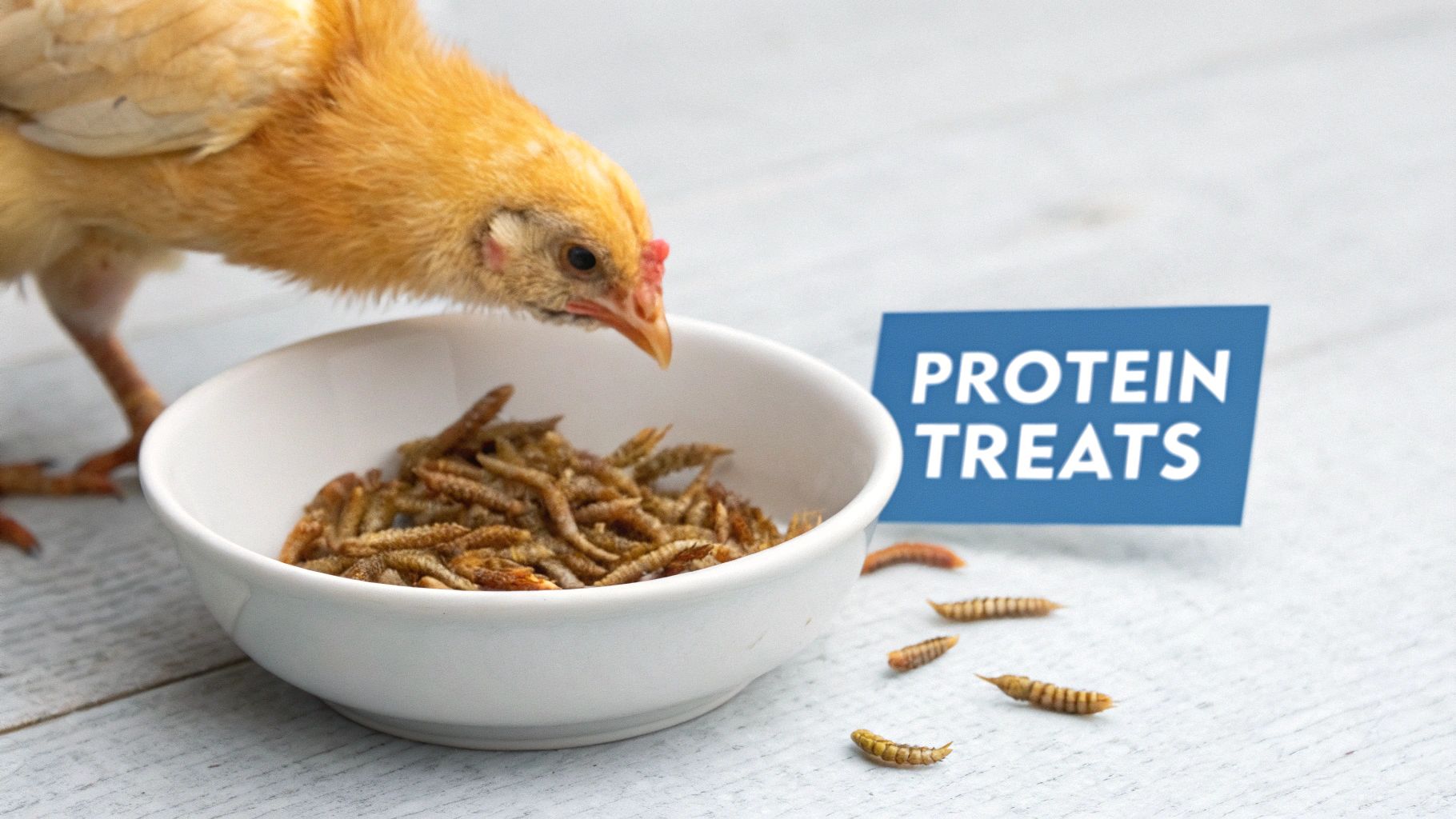
While high in protein, mealworms have a poor calcium-to-phosphorus ratio. This means they are best used as an occasional treat rather than a primary supplement, especially for laying hens who need ample calcium for strong eggshells.
Why Choose Mealworms?
The main appeal of mealworms is their high protein content (around 50% dried) and the enthusiastic response they get from a flock. This protein boost is valuable during stressful periods like molting or cold weather. Many backyard chicken keepers use mealworms as a reliable way to tame their flock, as chickens will quickly learn to eat from your hand for this special reward.
Hobbyists often culture their own mealworms at home in simple bin setups, providing a cost-effective and continuous supply of fresh treats. This control over their food source ensures the mealworms are raised on a quality diet.
How to Feed Mealworms to Your Flock
Feeding mealworms is simple and can be a fun activity for both you and your chickens. You can toss them on the ground to encourage foraging, mix a small amount into their feed, or offer them by hand.
- Moderation is Key: Due to their low calcium content, mealworms should be an occasional treat, not a dietary staple.
- Supplement with Calcium: When offering mealworms to laying hens, ensure they have constant access to a separate calcium source like crushed oyster shells to offset the imbalance.
- Treat, Not a Meal: A few mealworms per chicken (around 5-10) a few times a week is a reasonable guideline. They should only supplement a complete, balanced layer feed.
- Proper Storage: Store dried mealworms in a cool, dry place. If you purchase live mealworms, keep them refrigerated in a container with a source of food and moisture, like a piece of carrot or potato.
3. Grains and Seeds (Oats, Barley, Wheat, Sunflower Seeds)
Grains and seeds are the cornerstone of a balanced poultry diet, providing the essential carbohydrates chickens need for energy. Staples like oats, barley, wheat, and sunflower seeds are foundational components in any complete "what can chickens eat list." They are typically the main ingredient in commercial feeds and are crucial for daily sustenance.
While they form the bulk of a chicken's diet, it is important to remember that grains alone are not nutritionally complete. They provide energy and some protein but often lack the optimal balance of minerals, particularly calcium, required for strong eggshells and bone health.
Why Choose Grains and Seeds?
The primary benefit of grains and seeds is their role as a cost-effective energy source. These carbohydrates fuel a chicken's daily activities, from foraging to laying eggs. A varied mix of grains ensures a broader range of nutrients, and adding seeds like sunflower or flax provides healthy fats that contribute to feather quality and overall health.
Many homesteaders create custom grain mixes to tailor nutrition to their flock's specific needs, while backyard keepers use scratch grains as a tool for enrichment. Scattering a handful of mixed grains encourages natural scratching and foraging behaviors, keeping the flock active and entertained.
How to Feed Grains and Seeds to Your Flock
Integrating grains and seeds properly is key to maintaining a healthy, productive flock. They should be the base of the diet, ideally provided through a balanced commercial feed, with scratch grains offered as a supplement.
- Limit Scratch Grains: While excellent for foraging, a mix of scratch grains (like cracked corn and wheat) should not exceed 10% of your flock’s total diet. Overfeeding can lead to nutrient deficiencies as chickens fill up on treats instead of their balanced feed.
- Supplement with Calcium: Grains are low in calcium. Always provide a separate, free-choice source of crushed oyster shells or eggshells for laying hens to ensure strong eggshells.
- Proper Storage is Key: Store all grains in airtight, rodent-proof containers in a cool, dry place to prevent mold and spoilage. Practice the "first in, first out" method to ensure freshness.
- Offer Variety: A mix of different grains like oats, barley, and wheat provides a more balanced nutritional profile than a single-grain diet.
4. Vegetables and Garden Scraps
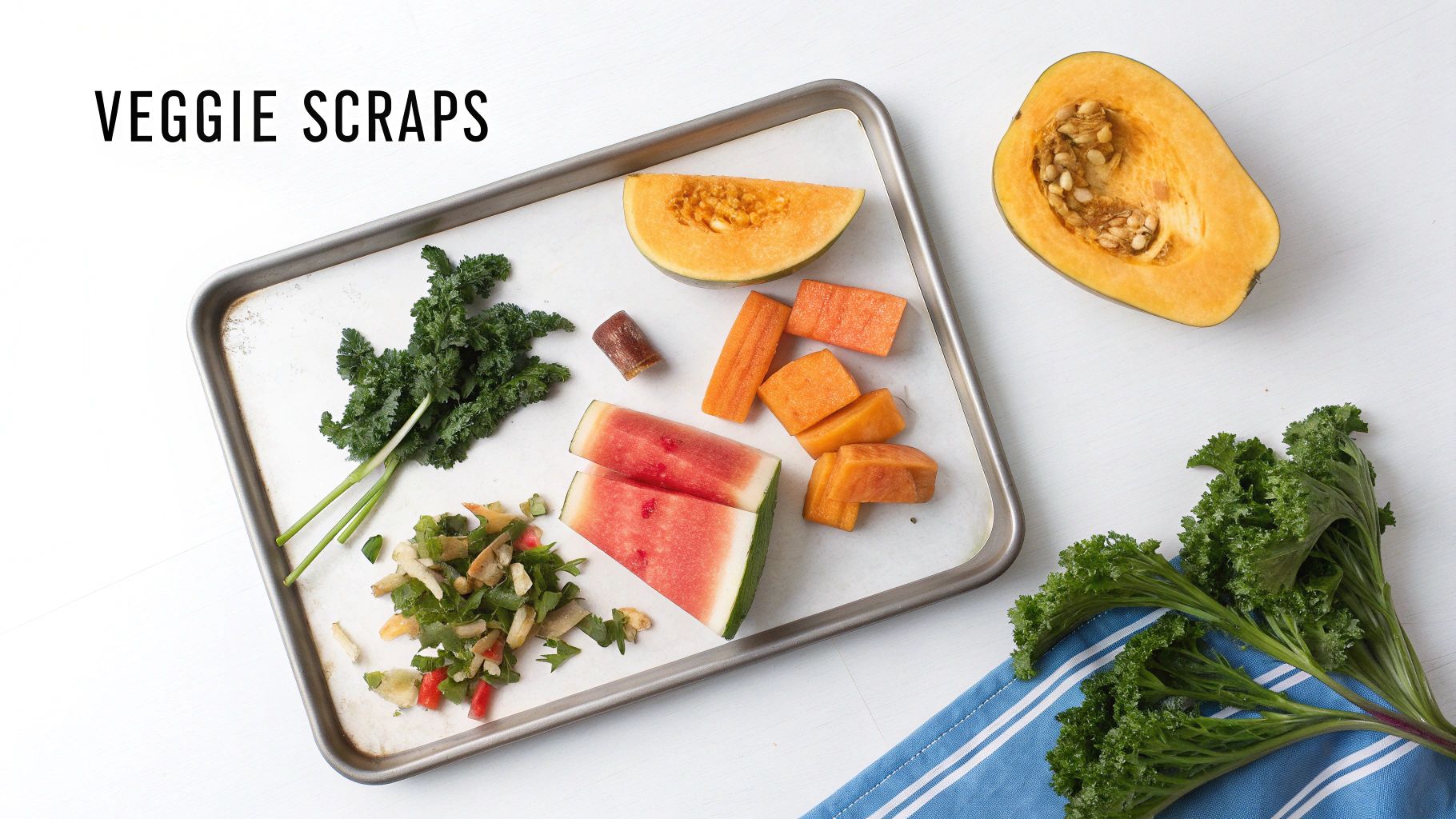
Fresh vegetables and garden scraps are a fantastic way to supplement your flock's diet, providing essential vitamins, minerals, and fiber while cleverly reducing kitchen waste. As a key item on any "what can chickens eat list," these offerings add variety and nutritional diversity. Common favorites include leafy greens like lettuce and kale, summer squash, pumpkins, and even vegetable peelings from carrots or cucumbers.
These fresh treats are particularly valuable in winter when natural forage is scarce and during molting season when extra nutrients are needed to support healthy feather regrowth. Offering these scraps also encourages natural pecking and foraging behaviors, keeping your flock active and engaged.
Why Choose Vegetables and Garden Scraps?
The main advantage of feeding vegetables is the boost of hydration and vitamins they provide, which supports overall immune health and vitality. Homesteaders often use leftover harvest scraps to minimize waste, while urban chicken keepers can supplement their flock’s diet with daily kitchen trimmings.
Many keepers notice more vibrant egg yolks and energetic flock behavior after incorporating fresh vegetables. Pumpkins and winter squash are especially useful in the fall and winter, serving as both a long-lasting treat and a natural dewormer. For safety, it's crucial to know which foods to avoid. You can learn more about foods that are harmful to chickens.
How to Feed Vegetables to Your Flock
Integrating vegetable scraps into your chickens' routine is simple and rewarding. You can add them to a dedicated feeder, mix them with their feed, or toss them into the run to promote foraging.
- Chop and Prep: Cut larger vegetables like squash or tough-skinned items into smaller, manageable pieces to make them easier for chickens to eat.
- Safety First: Never feed moldy or spoiled scraps. Avoid toxic items like avocado skins and pits, raw potatoes, onions, and anything high in salt or sugar.
- Moderation is Key: Vegetables and scraps should be a treat, not a meal replacement. Limit them to about 10-15% of your flock’s total daily diet to ensure they still consume enough of their balanced feed.
- Enrichment: On hot summer days, offer frozen vegetable pieces as a cooling treat. In the fall, place a whole pumpkin in the run and let the flock peck away at it for hours of entertainment.
5. Layer Feed (Commercial Balanced Rations)
Layer feed, or commercial balanced rations, is the cornerstone of a modern backyard chicken's diet. This feed is scientifically formulated to provide all the essential nutrients a laying hen needs for optimal health and consistent egg production. As a foundational item on any "what can chickens eat list," a high-quality layer feed ensures your flock receives the correct balance of protein, calcium, vitamins, and minerals every day.
These complete feeds typically contain 16-18% protein to support body function and egg formation, along with 3.5-4% calcium for strong eggshells. Relying on a balanced ration removes the guesswork from chicken nutrition, making it an indispensable choice for both new and experienced keepers.
Why Choose a Commercial Layer Feed?
The primary benefit of a commercial layer feed is its reliability and nutritional completeness. It is specifically designed to support the demanding metabolic needs of laying hens, helping to ensure strong shells, rich yolks, and overall flock vitality. While whole foods and treats are excellent supplements, they cannot consistently provide the precise nutrient ratios found in a formulated ration.
Homesteaders who use a quality layer feed as the base of their flock's diet report more consistent egg-laying patterns and fewer health issues related to nutritional deficiencies. It provides a stable dietary foundation that you can then build upon with healthy supplements like BSFL and garden scraps.
How to Use Layer Feed for Your Flock
Providing layer feed is the most straightforward part of feeding chickens, but a few best practices ensure your flock gets the most from it. It should be available to them throughout the day.
- Ensure Constant Access: Layer feed should be the primary food source, offered freely in a clean, dry feeder. Chickens are good at regulating their intake of their main feed.
- Choose Quality: Select a feed from a reputable brand known for high-quality ingredient sourcing. Check the manufacturing and expiration dates to ensure freshness and nutrient potency.
- Transition Slowly: If you switch brands, mix the new feed with the old over a week to prevent digestive upset in your flock.
- Supplement Wisely: While complete, layer feeds can be enhanced. Supplementing with high-protein treats like BSFL during molting or adding a separate dish of oyster shells can provide an extra boost.
- Proper Storage: Keep feed bags in a cool, dry, and rodent-proof container to maintain nutritional quality and prevent contamination.
6. Oyster Shells and Calcium Supplements
Oyster shells are a vital calcium supplement, essential for any laying hen on a "what can chickens eat list." They are not a treat but a crucial dietary component, consisting almost entirely of calcium carbonate. This mineral is the primary building block for strong, durable eggshells, and consistent access to it is non-negotiable for a productive flock.
Unlike calcium found in regular feed, which is absorbed quickly, crushed oyster shells dissolve slowly in the gizzard. This provides a steady, prolonged release of calcium into the bloodstream, which is perfectly timed for when hens form eggshells overnight.
Why Offer Oyster Shells?
The primary benefit is preventing thin, weak, or soft-shelled eggs. A hen will pull calcium from her own bones to form an eggshell if her diet is deficient, leading to skeletal problems like osteoporosis. Supplementing with oyster shells directly supports bone density and ensures your hens produce high-quality eggs without sacrificing their own health.
Many backyard chicken keepers notice an immediate and dramatic improvement in eggshell integrity after making oyster shells available. For a detailed guide on supplementation, you can learn more about the best calcium supplements for chickens.
How to Feed Oyster Shells to Your Flock
Properly offering oyster shells is simple but critical for effectiveness. It should always be provided separately from their main feed to allow for self-regulation.
- Offer Free-Choice: Place crushed oyster shells in a separate, dedicated container or feeder. Do not mix them into their feed, as hens will instinctively take only what they need.
- Timing is Key: Introduce oyster shells to your flock around 18-20 weeks of age, just before they begin laying their first eggs.
- Correct Size: Use a medium-grade crushed shell. Fine powder can be messy and ignored, while large pieces can be difficult for some hens to consume.
- Always Available: Ensure the container is always full and accessible, especially for hens in peak production. Store your supply in a dry, airtight container to prevent clumping and mold.
- Not a Replacement: Oyster shells provide calcium but lack other nutrients. Continue providing a complete layer feed and a quality protein source like BSFL for a fully balanced diet.
7. Greens and Fresh Forage (Pasture, Grass, Legumes)
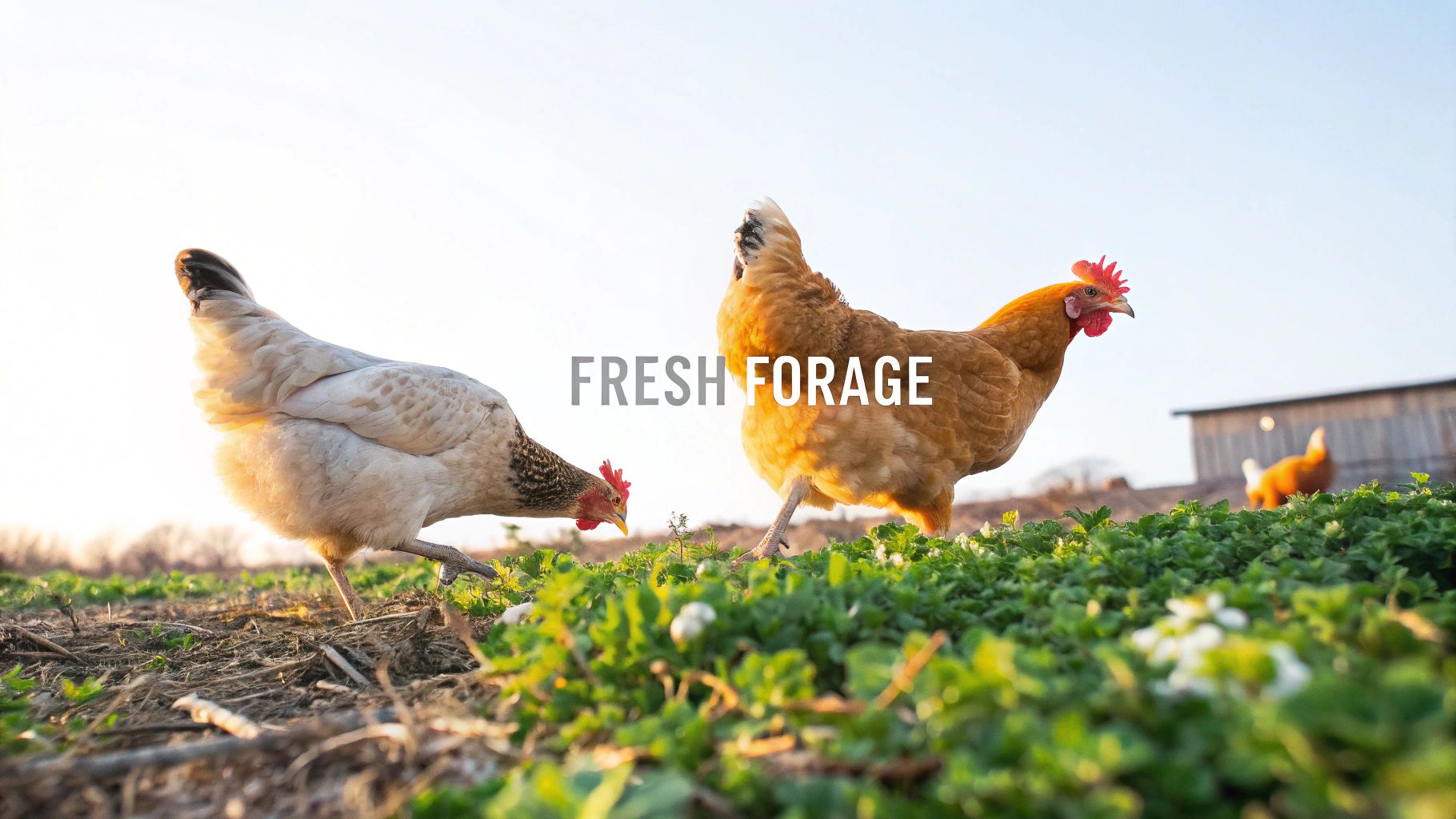
Greens and fresh forage offer chickens more than just a snack; they provide essential nutrients, environmental enrichment, and the opportunity to engage in natural behaviors. Access to living vegetation like grass, weeds, and legumes supplies a rich source of vitamins, minerals, and fiber. Including fresh greens as a staple on any "what can chickens eat list" directly contributes to a flock's overall health and happiness.
Pasture-raised chickens are not only healthier but often produce higher-quality eggs with more vibrant, nutrient-dense yolks. The act of foraging itself reduces stress and boredom, leading to a more content and productive flock.
Why Choose Greens and Fresh Forage?
The primary benefit of fresh forage is its incredible nutritional value, which complements a standard commercial feed. Legumes like clover and alfalfa are particularly valuable, offering a significant protein and calcium boost. This natural diet enhances egg quality, improves yolk color, and strengthens the birds' immune systems.
Many homesteaders who use mobile coops or rotational grazing systems report tangible benefits, including reduced feed costs and more robust, active chickens. The physical and mental stimulation of foraging is just as important as the nutrition it provides, preventing common behavioral issues like feather picking.
How to Offer Greens and Forage to Your Flock
Integrating fresh greens and pasture time is adaptable to any flock size, from urban backyards to larger homesteads. You can provide cut greens in the run or allow supervised access to a larger grassy area.
- Introduce Gradually: Start with short periods of grazing or small amounts of cut greens to prevent digestive upset, especially in chicks.
- Rotate Pasture: If you have the space, rotate the flock's grazing area to prevent overgrazing, soil depletion, and the buildup of parasites.
- Provide Daily Greens: For chickens in confined runs, offer daily bundles of safe weeds (like dandelions and chickweed), grass clippings (ensure they are short and from an untreated lawn), or leafy greens.
- Safety First: Always ensure the foraging area is free from toxic plants, pesticides, and predators. Provide constant access to fresh water and shade, especially during hot weather.
8. Kitchen Protein Scraps (Cooked and Raw)
Kitchen protein scraps, such as cooked eggs, meat, and certain dairy products, can be a valuable dietary supplement for your flock. Chickens are natural omnivores, and these protein-rich leftovers provide essential amino acids that support growth, feather production, and egg laying. Including these items in a "what can chickens eat list" acknowledges their nutritional value while emphasizing the need for proper preparation and moderation.
Unlike processed commercial treats, wholesome kitchen scraps can reduce waste and offer a varied diet. However, they should always be considered a supplement to a balanced feed, not a replacement for it, to ensure your chickens receive complete nutrition.
Why Choose Kitchen Protein Scraps?
The primary benefit of offering kitchen scraps is providing a high-quality protein boost while practicing sustainability. Leftover cooked meat, scrambled eggs, and plain yogurt can be excellent sources of protein, especially during demanding periods like molting or in cold winter months when extra energy is needed. This practice also helps reduce household food waste, turning leftovers into nutritious food for your flock.
Many homesteaders see this as a cost-effective way to enhance their chickens' diet. For example, feeding crushed, cooked eggshells back to the flock provides a free and readily absorbed source of calcium, contributing to stronger eggshells and reducing the need for separate supplements like oyster shells.
How to Feed Kitchen Protein Scraps to Your Flock
Safely integrating kitchen protein scraps into your chickens' diet requires careful handling and moderation to prevent health issues.
- Cook Meat Thoroughly: Always cook any raw meat or fish scraps before feeding them to your chickens. This eliminates harmful bacteria like salmonella and E. coli that can make your flock sick.
- Limit Overall Intake: Protein scraps should make up no more than 10% of your flock’s total daily diet. Too much protein can lead to health problems, including kidney strain.
- Avoid Harmful Ingredients: Never feed your chickens processed foods high in salt, sugar, or unhealthy fats. Onions, garlic, and spoiled or moldy food are also toxic and must be avoided.
- Practice Good Hygiene: Remove any uneaten scraps from the coop or run within a few hours to prevent them from spoiling. This helps deter pests like rodents and flies and keeps the environment clean and healthy. A good rule is to only offer what they can consume in 15-20 minutes.
9. Legume Meals and Supplements (Alfalfa Meal, Soybean Meal)
Legume-based supplements, such as alfalfa meal and soybean meal, are excellent additions to a "what can chickens eat list" for flock owners seeking to boost protein and mineral content in their feed. These meals are typically byproducts of food and oil processing, offering a consistent and concentrated source of nutrition that is particularly valuable when fresh forage is scarce.
Alfalfa meal, in particular, is prized for its high calcium content (around 1.2-1.5%) and rich vitamin profile, including vitamins A, K, and E. Soybean meal is a protein powerhouse, often containing over 40% protein, which is essential for healthy growth, feather production, and consistent egg laying.
Why Choose Legume Meals?
The primary benefit of legume meals is their ability to fill nutritional gaps in standard grain-based diets. They provide a reliable source of protein and calcium, which are critical for laying hens and birds undergoing a molt. Incorporating these supplements helps ensure your flock receives a well-rounded diet, especially during the winter months.
Homesteaders often rely on alfalfa meal to maintain eggshell quality when chickens can't forage for greens. Similarly, poultry farmers may mix soybean meal into their custom rations to support the rapid growth of meat birds or to sustain high egg production levels in their layers.
How to Feed Legume Meals to Your Flock
Integrating these supplements into your chickens' diet requires a measured approach to avoid digestive upset and ensure a balanced intake.
- Mix Thoroughly: Blend legume meals into your flock's main feed at a rate of 5-10% of the total ration. Do not offer it free-choice.
- Introduce Gradually: Start with a smaller percentage and slowly increase it over a week to allow your chickens' digestive systems to adapt.
- Targeted Supplementation: Use these meals during periods of high nutritional demand, like molting, or when fresh forage is unavailable.
- Storage and Safety: Store legume meals in a cool, dry, airtight container to prevent moisture absorption and mold growth. Always choose non-GMO and pesticide-free options from reputable suppliers to ensure the health of your flock.
10. Grit and Digestive Aids (Insoluble Grit, Probiotics)
Grit and digestive aids are not "food" in the traditional sense, but they are absolutely essential items on any "what can chickens eat list." Chickens have no teeth and rely on their gizzard, a strong muscular organ, to grind down their food. Insoluble grit, typically small crushed stones like granite or flint, provides the necessary abrasive material for the gizzard to function effectively.
This mechanical digestion is crucial for breaking down tough grains, seeds, and forage, unlocking their full nutritional value. Probiotics, on the other hand, support the biological side of digestion by introducing beneficial bacteria to the gut, improving nutrient absorption and overall flock health.
Why Choose Grit and Digestive Aids?
The primary benefit of providing grit is preventing digestive issues like impacted or sour crop, which can occur when food isn't properly ground. For chickens that don’t free-range on varied, stony ground, supplemental grit is non-negotiable. Probiotics further enhance this process by supporting a robust gut microbiome, which can lead to better feed efficiency, stronger immune systems, and higher quality eggs.
Many flock owners notice firmer droppings and more active birds after ensuring consistent access to grit and adding a quality probiotic supplement. These aids are foundational, helping your chickens get the most out of everything else they eat.
How to Provide Grit and Probiotics
Integrating these digestive aids into your flock's care routine is simple and vital for their well-being. They work together to create a powerful digestive system.
- Offer Grit Free-Choice: Never mix insoluble grit into their feed. Instead, provide it in a separate, dedicated container so chickens can consume it as needed.
- Use the Right Size: Ensure you provide age-appropriate grit. Use chick-sized grit for young birds and switch to a larger, adult-sized grit as they mature.
- Probiotic Application: Poultry-specific probiotics can be mixed into water or sprinkled over feed. They are especially beneficial after a course of antibiotics, during periods of stress, or for newly hatched chicks.
- Monitor and Refill: Keep the grit container clean and consistently filled. Chickens are very good at regulating their own intake.
10 Chicken Feed Items Compared
| Item | 🔄 Implementation Complexity | ⚡ Resource Requirements | 📊 Expected Outcomes | 💡 Ideal Use Cases | ⭐ Key Advantages |
|---|---|---|---|---|---|
| Black Soldier Fly Larvae (BSFL) | Low–moderate: ready-to-feed; gradual introduction | Moderate cost; store cool/dry; tested sourcing | High: boosts eggshell calcium, protein, plumage | Molting, peak laying, partial grain replacement (10–15%) | Exceptional Ca+protein; sustainable; heavy-metal tested |
| Mealworms (Tenebrio molitor larvae) | Low: simple feeding or home-rearing | Lower cost than BSFL; easy to source or farm | Good: protein-rich but low calcium; higher fat | Occasional treats, conditioning, home-culture | Widely available; highly palatable; inexpensive |
| Grains & Seeds (Oats, Barley, Wheat, Sunflower) | Very low: bulk feeding as base diet | Low cost; long shelf life; bulk storage needed | Moderate: energy and some protein; low mineral density | Primary base feed (50–60% of diet) | Economical staple; versatile; supports gizzard function |
| Vegetables & Garden Scraps | Very low: wash/chop; seasonal prep | Minimal cost; seasonal availability; quick use | Moderate (vitamins): improves yolk color; low protein | Waste reduction, enrichment, winter supplement | Cheap, enriches foraging, boosts vitamins |
| Layer Feed (Commercial rations) | Very low: feed ad libitum; no mixing | Mid cost; widely available; store dry | High: balanced nutrients for consistent egg production | Primary feed for laying flocks | Complete formulation; predictable results; convenient |
| Oyster Shells & Calcium Supplements | Very low: free-choice offering | Very low cost; store dry | High: sustained calcium for strong shells | Laying hens needing shell support; free-choice supplement | Nearly pure CaCO3; self-regulating consumption |
| Greens & Fresh Forage (Pasture, Legumes) | Moderate: pasture management & rotation | Land/time investment; seasonal growth | High (when available): vitamins, better yolk color | Pasture-based systems; rotational grazing | Natural, renewable source; improves egg quality |
| Kitchen Protein Scraps (Cooked/Raw) | Low–moderate: prep and safety handling | Very low cost (waste reuse); spoilage risk | Variable: adds protein; food-safety dependent | Occasional supplement; zero-waste programs | Free protein source; highly palatable; reduces waste |
| Legume Meals & Supplements (Alfalfa, Soybean) | Low: mix into rations | Affordable; long shelf life; source quality matters | Moderate: plant protein and some calcium (alfalfa) | Winter supplementation; custom feed mixes (5–10%) | Consistent nutrient profile; improves molt and yolk color |
| Grit & Digestive Aids (Insoluble grit, Probiotics) | Very low: provide free-choice or dosing | Very low cost; ongoing provision; choose quality probiotics | High (indirect): better digestion and nutrient uptake | All flocks, especially on whole grains or after antibiotics | Essential for gizzard function; improves feed efficiency |
Bringing It All Together: A Recipe for a Happy, Healthy Flock
Navigating the extensive "what can chickens eat list" can feel like a complex puzzle, but the secret to a thriving flock lies in understanding how the pieces fit together. Your role as a flock keeper is to build a complete nutritional system, not just to provide a random collection of foods. The most critical takeaway is that a high-quality, balanced commercial layer feed must always be the cornerstone of their diet. This foundation provides the essential, scientifically formulated blend of protein, vitamins, and minerals that chickens need for daily function and consistent egg production.
From there, you can thoughtfully build upon that base. Think of it as creating a pyramid of nutrition. At the bottom, you have the layer feed. The next crucial layers are consistent access to insoluble grit for proper digestion and a separate, free-choice source of calcium, like crushed oyster shells, to support strong eggshells and skeletal health. These are non-negotiable elements for any laying flock.
From Good to Great: Elevating Your Flock's Diet
Once these fundamentals are in place, you can begin to enrich their diet with the diverse foods we've explored. This is where you can truly enhance their well-being and engagement.
- Strategic Scraps: Use kitchen scraps like leafy greens, vegetable peels, and cooked grains as supplements, not staples. Remember the 90/10 rule: 90% of their intake should be their complete feed, with treats making up no more than 10%.
- Safe Foraging: If you can provide access to safe, pesticide-free pasture, you're giving them a natural source of greens, seeds, and insects that not only boosts their nutrition but also fulfills their instinctual behaviors.
- Protein Power-Ups: During times of stress, growth, or molting, their protein and calcium needs skyrocket. This is the perfect time to introduce a high-quality, targeted supplement. While mealworms are a popular choice, Black Soldier Fly Larvae (BSFL) offer a nutritionally superior profile, boasting a much higher calcium content that is vital for laying hens.
Mastering this comprehensive what can chickens eat list transforms you from a simple caretaker into a proactive flock nutritionist. By understanding the why behind each food category, you can make informed decisions that prevent common health issues, improve egg quality, and ensure your chickens lead vibrant, productive lives. You're not just feeding them; you're investing in their long-term health and happiness.
Key Takeaway: A balanced diet is an ecosystem. It starts with a complete feed foundation and is supported by essential supplements like grit and calcium. Healthy treats and forage are the enriching elements that complete the picture, promoting both physical health and natural flock behavior.
Ultimately, your attention to their dietary needs is the most significant factor in their quality of life. A well-fed chicken is a happy, resilient, and productive chicken, and the reward for your diligence is a flock that flourishes under your care.
Ready to give your flock a nutritional boost they'll love? See the difference high-calcium, USA-grown Black Soldier Fly Larvae can make. Explore the premium, heavy-metal tested treats from Pure Grubs and take the guesswork out of providing a safe and superior supplement for your birds.