

Grubs for Chickens The Ultimate Guide to a Healthier Flock
If you're looking for a top-tier treat that actually boosts your flock's health, grubs are it. We're not talking about just any random insect here—we mean specially raised Black Soldier Fly Larvae (BSFL), a little superfood powerhouse packed with protein and calcium. Think of it as the ultimate natural supplement for helping your chickens thrive.
What Grubs Really Do for Your Chickens' Health
Tossing a scoop of grubs to your flock is so much more than a fun snack. You’re giving them a concentrated dose of nutrition that builds them up from the inside out. For those of us who see our chickens as part of the family, getting what makes these little larvae so special is the first step to raising truly healthy, happy birds.
Unlike the mystery bugs your hens might scratch up in the yard, high-quality grubs are a clean, controlled food source. The gold standard for chickens is, without a doubt, the Black Soldier Fly Larva. Adding them to your flock’s diet is like giving a pro athlete a purpose-built supplement—it’s designed to help them reach peak condition.
The Building Blocks of a Healthy Flock
The difference grubs make isn't just theoretical; you can actually see it. They directly support some of the most important aspects of a chicken's well-being, providing a clean, powerful nutritional boost that goes way beyond what standard feed can offer.
Here’s what you can expect:
- Stronger Eggshells: Grubs are loaded with calcium, the single most important mineral for producing tough, sturdy eggshells. This helps head off frustrating issues like thin or soft-shelled eggs.
- Beautiful, Full Feathers: The high-quality protein in grubs provides the amino acids needed for feather growth. This is a game-changer during the annual molt when their nutritional needs skyrocket.
- A Boost in Overall Vigor: The mix of protein, healthy fats, and amino acids fuels your chickens' energy and supports a strong immune system. This helps them bounce back from stresses like heat waves, cold snaps, or illness.
It really comes down to this: by adding a natural, nutrient-packed treat, you're making a proactive investment in your flock's long-term health. It's such a simple change, but one that pays you back with healthier birds and better eggs.
This all sets the stage for why grubs are so valuable. They aren’t just empty calories or a temporary distraction; they are a functional food with a clear purpose. And by choosing premium, USA-grown grubs, you can be confident you’re giving your flock a safe, clean, and potent source of the nutrition they need to flourish. Next, we'll dig into the science behind what makes these grubs a must-have for any serious chicken keeper.
The Nutritional Powerhouse of Black Soldier Fly Larvae
When you toss a handful of dried Black Soldier Fly Larvae to your flock, you might just see them as a simple treat. But what you're really holding is a concentrated dose of incredible nutrition, perfectly suited to keep your chickens healthy and thriving. Let's break down exactly why these grubs are such a fantastic choice for any chicken keeper.
It all starts with their most impressive feature: calcium. For laying hens, getting enough calcium is non-negotiable. Think about it—forming a strong eggshell day after day is a huge biological task that pulls a massive amount of calcium from a hen's body.
If her diet comes up short, her system will start robbing calcium from her own bones. This leads to brittle bones, poor health, and those dreaded soft, rubbery eggs that no one wants to find in the nesting box. Grubs are a direct and natural solution to this all-too-common problem.
Fueling Stronger Eggs and Bones
Black Soldier Fly Larvae are naturally loaded with calcium. More importantly, they contain an ideal calcium-to-phosphorus ratio, which is crucial for making that calcium easy for a chicken's body to absorb and use. This means your hens get the full benefit, putting it right where it’s needed: into building strong, solid eggshells.
This infographic breaks down how grubs directly support the key areas of a chicken's well-being.
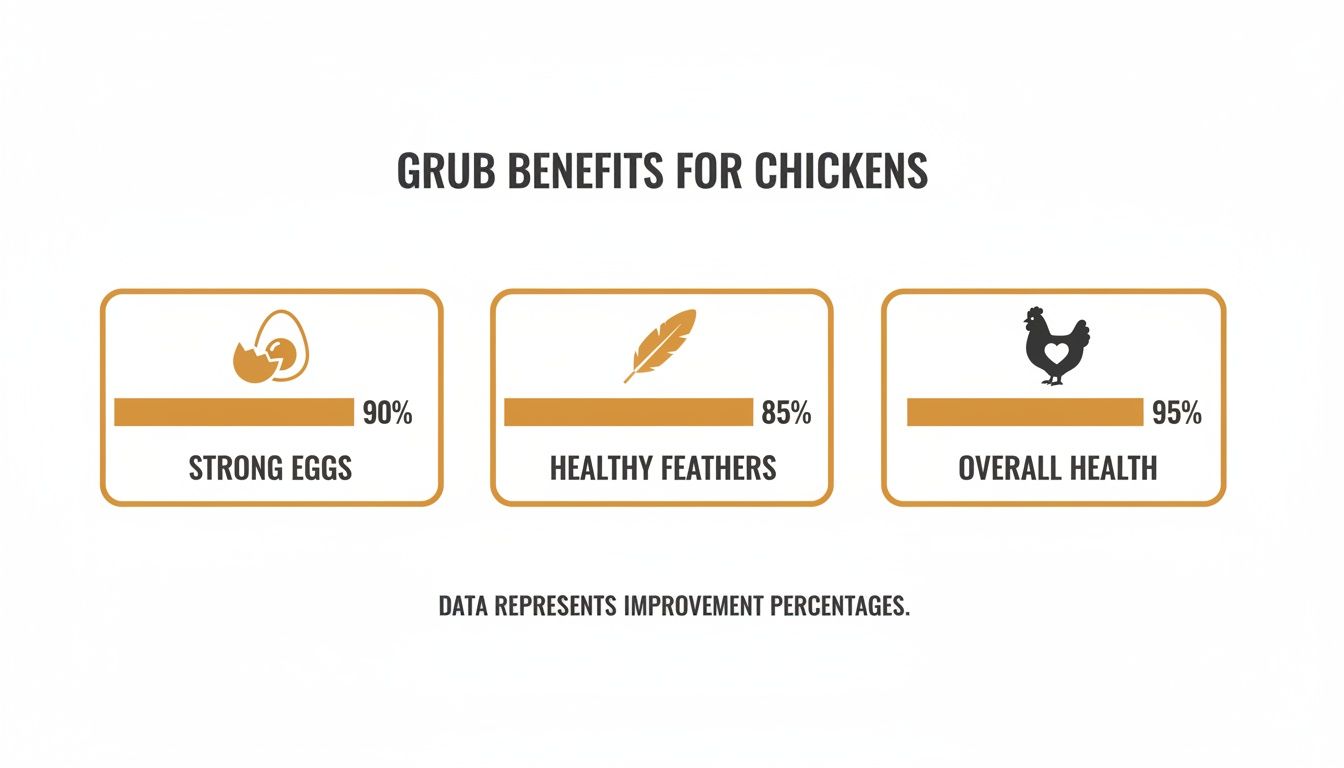
As you can see, the nutrition packed into these little grubs delivers real, tangible results—from better eggs and feathers to a healthier, more vibrant flock overall.
Think of it like building a brick wall. Without enough mortar (calcium), the bricks (the eggshell) will be weak and unstable. Grubs provide that essential "mortar" in a form their bodies can readily use, ensuring every egg is a picture of health.
For backyard keepers and small farms alike, grubs offer a high-calcium treat that far surpasses other options. In fact, studies have shown they provide up to 85% more calcium than mealworms, directly supporting stronger eggshells. The growing demand for quality supplements like these is clear, with the poultry feed market valued at $98.29 million in 2021 and projected to hit $125.5 million by 2025. This really highlights the shift toward supplements that truly boost flock health.
Nutritional Showdown: Grubs vs. Mealworms
When choosing a treat, many chicken keepers wonder how grubs stack up against the more traditional mealworm. While both are treats your flock will love, their nutritional profiles are worlds apart, especially when it comes to the all-important calcium content.
Here's a quick look at the key differences:
| Nutrient | Black Soldier Fly Larvae (BSFL) | Mealworms |
|---|---|---|
| Protein | 36-45% | ~50% |
| Fat | 25-35% | ~25% |
| Calcium | 2.5-3.5% (Very High) | 0.05% (Very Low) |
| Ca:P Ratio | ~2:1 (Ideal) | ~1:7 (Poor) |
As the table shows, mealworms are a high-protein snack, but they are critically low in calcium. Feeding too many mealworms can actually work against your hens' health by creating a nutritional imbalance. Black Soldier Fly Larvae, on the other hand, provide a fantastic balance of high-quality protein, healthy fats, and—most importantly—an incredible amount of naturally available calcium.
The Protein-Packed Punch for Feathers and Muscle
Beyond calcium, the high protein content in grubs is another huge plus, especially during stressful times of the year. Protein is the literal building block for everything from feathers and muscles to tissue repair. When a chicken goes through its annual molt, it's replacing its entire coat of feathers—an incredibly demanding process that requires a ton of protein.
Offering a high-protein treat like grubs during the molt is one of the best things you can do for your flock. It helps them regrow their feathers faster, reduces that "ragged" looking phase, and gets them back to laying eggs more quickly.
And it's not just about the amount of protein; it's about the quality. Grubs contain a complete amino acid profile, giving your chickens all the essential components they need for peak health. This doesn't just support feather regrowth—it also helps develop strong muscles, keeping your birds active, agile, and robust. You can dive deeper into the benefits of dried Black Soldier Fly Larvae in our detailed guide.
Healthy Fats for All-Season Energy
Rounding out their incredible nutritional profile are the healthy fats found in grubs. These fats are a fantastic source of concentrated energy, which is perfect for helping your flock stay warm in the winter and maintain their energy levels all year long. Fats also play a vital role in helping your birds absorb fat-soluble vitamins, ensuring they get the full benefit from every part of their diet.
By choosing grubs that are additive-free and raised on a clean, plant-based diet, you're guaranteeing your flock gets this powerful nutrition in its purest form. You're not just giving them a treat; you're providing a clean, potent source of the exact nutrients they need to thrive. This is how you go from just feeding your chickens to truly nourishing them from the inside out.
How to Feed Grubs to Your Flock for Best Results
Alright, so you're sold on the incredible nutrition packed into every single grub. Now for the fun part: actually feeding them to your flock. It's easy, but moving beyond just tossing a handful out there can make a huge difference in the benefits your chickens get. Let's get into the practical side of things.
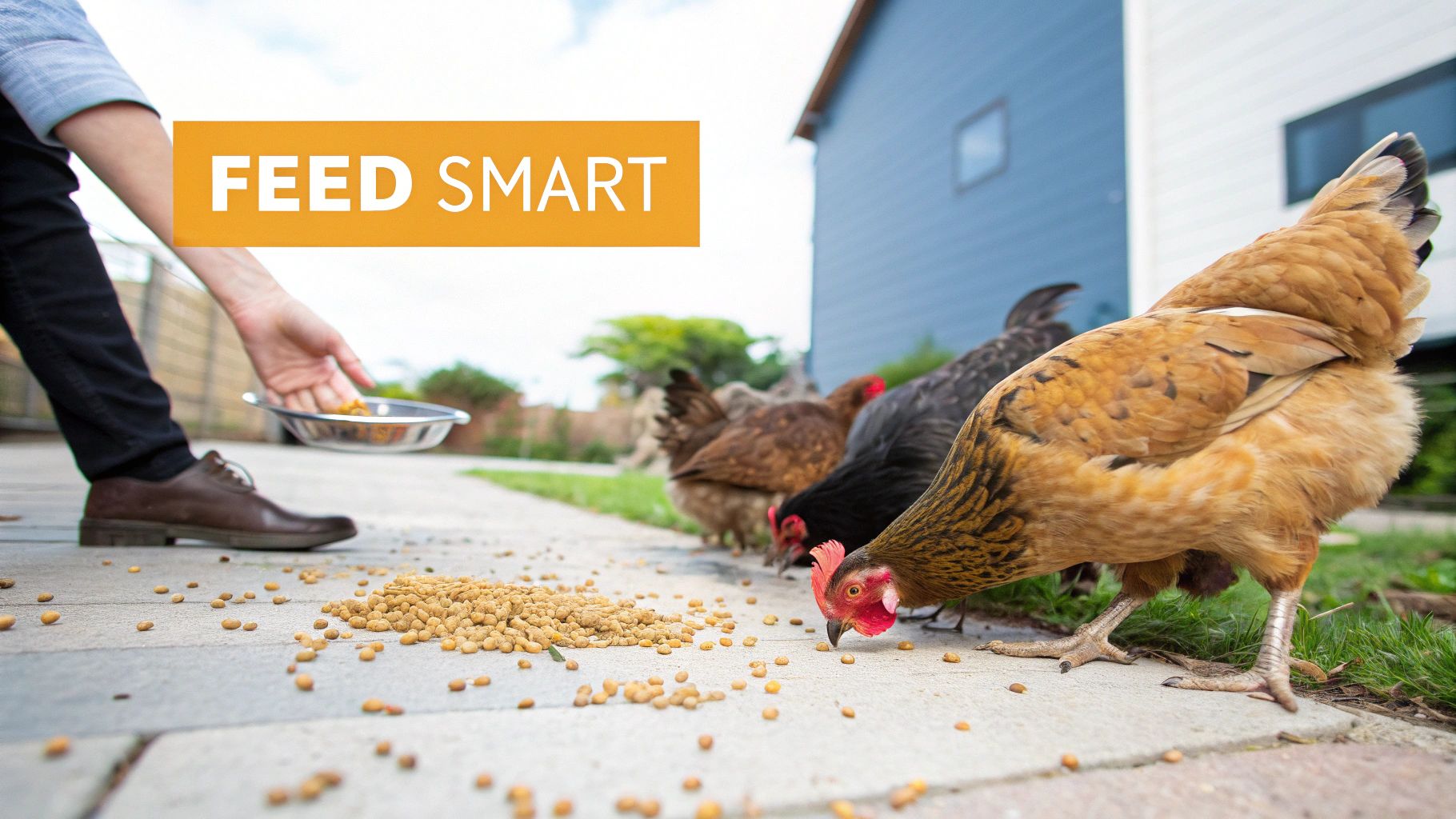
The first question that always comes up is, "How many is too many?" It's crucial to remember that grubs are a high-value supplement, not a replacement for their main feed. Think of them as a protein bar, not the whole dinner.
A great rule of thumb is to offer about 10-20 grubs per chicken, or what amounts to a small handful for a few birds. This gives them a serious nutritional boost without throwing their balanced diet out of whack.
Finding the Right Feeding Frequency
When it comes to grubs, consistency is often more important than sheer quantity. For a healthy, active flock, tossing them some grubs two to three times per week is a fantastic routine. This keeps a steady stream of extra calcium and protein coming their way without overdoing it on the rich fats.
But here's where a seasoned chicken keeper really shines: knowing when to adapt. Your flock's needs change, and sometimes they need more support.
You might want to offer a daily handful during these high-demand times:
- The Annual Molt: Growing a full new set of feathers is incredibly taxing. Protein is the main building block for feathers, and grubs deliver it in spades, helping them get through the molt faster and healthier.
- Extreme Weather: Whether it’s a frigid winter day or a sweltering summer afternoon, maintaining body temperature burns a ton of calories. The healthy fats in grubs provide a quick and easy energy source.
- Integrating New Birds: Bringing new chickens into the coop can be a stressful affair. A high-value treat like grubs can help smooth over social tensions and provide a welcome distraction.
By strategically adjusting how often you offer grubs, you can provide targeted nutritional support right when your chickens need it most. It’s a simple way to help them stay resilient and healthy through life's challenges.
Creative Ways to Serve Up Grubs
You can just throw them on the ground, and your chickens will be thrilled. But mixing things up keeps them engaged and can even help you build a stronger bond with your flock. They're smart, curious animals, after all!
1. The Scatter Method
This is the classic. Simply toss a handful of grubs across their run. This taps right into their natural instinct to scratch and forage, giving them a fun job to do while they get their snack. It’s enrichment and a treat all in one.
2. The Feed Mix-In
If you have a few picky eaters or want to make sure everyone gets a taste, just mix the grubs right into their daily feed. The grubs coat their regular pellets or crumbles, making the whole meal suddenly seem much more exciting. It’s a great trick for introducing grubs for the first time, too.
3. Hand-Feeding for Bonding
There's really nothing like having a chicken eat from your hand. It takes a bit of patience, but it's one of the best ways to build trust and tame your flock. Just hold a few grubs in your flat palm, stay still, and let them come to you.
And here’s a fantastic bonus: dried Black Soldier Fly Larvae float! If you also keep ducks or geese, you can toss the grubs into their pond or a kiddy pool. They won't get soggy and sink, turning treat time into a fun water sport for your waterfowl.
Why USA-Sourced Grubs Are the Safer Choice
As a chicken keeper, you know that your flock isn't just livestock; they're part of the family. That means you're careful about what you feed them, and when it comes to treats like grubs, where they come from is just as important as what’s in them. The market is flooded with cheap, imported grubs, but chasing a lower price can expose your birds—and your family—to risks you'd never knowingly take.
Think of it this way: would you rather buy produce from a trusted local farm where you know the farmer, or from a mystery bin with no clear origin? One gives you transparency and peace of mind, while the other is a total gamble. Imported grubs from unregulated sources can be a black box. You have no idea what they were fed, and they often lack the strict safety oversight we rely on for animal feed here in the States.
These unknowns can lead to very real problems. Imported grubs may have a higher risk of being contaminated with pesticides, mycotoxins, or even heavy metals like lead and mercury. Over time, these toxins can build up in a chicken's body, not only harming your flock's health but also compromising the safety of the eggs on your breakfast table.
The Gold Standard of Domestic Production
Choosing grubs sourced from the USA flips the script entirely. It brings production under a trustworthy and transparent regulatory system. When grubs are raised in FDA-compliant facilities, it means they're held to the same safety-conscious standards as other animal feeds you buy.
This domestic sourcing creates a clear chain of custody. You can be confident the grubs were raised on clean, controlled ingredients—like pre-consumer plant matter—instead of mystery waste from an unknown source. A clean diet for the grubs is the first step to ensuring the final product is pure and safe for your chickens.
On top of that, the best US producers follow guidelines from the Association of American Feed Control Officials (AAFCO). AAFCO standards are the foundation of safe animal feed in this country, setting the rules for everything from nutritional profiles to ingredient definitions. When a brand meets these standards, it’s a clear signal that they’re committed to quality, not just cutting costs.
The biggest benefit of choosing USA-grown grubs is simple: peace of mind. It’s knowing that the treat you're giving your flock is clean, safe, and produced to the highest standards, protecting both your birds and the food they give you.
The Critical Role of Third-Party Testing
The most reputable US grub producers don't stop at following regulations; they go a step further with rigorous, independent testing. This isn't just a quick internal check. They send samples from each and every batch to an outside, third-party lab to screen for a list of harmful contaminants. This process is your ultimate guarantee of purity.
This level of scrutiny is what catches the invisible threats that can cause serious health issues down the line.
Here’s what they’re looking for:
- Lead (Pb): A nasty heavy metal that can cause nerve damage and slash egg production.
- Arsenic (As): Can stunt growth, cause illness, and contaminate both meat and eggs.
- Mercury (Hg): A powerful neurotoxin that's dangerous for both your chickens and anyone eating their eggs.
- Cadmium (Cd): Can lead to kidney damage and other long-term health problems in poultry.
When a brand like Pure Grubs makes it a point to tell you that every batch is tested for heavy metals, they're offering an incredible layer of security. This verification confirms that the grubs you’re buying are free from these dangerous substances. It turns your purchase from a hopeful guess into a smart decision backed by hard data. This commitment to testing is the clearest sign of a brand that truly puts your flock’s well-being first, so you can feed them with total confidence.
More Than Just Chickens: The Versatility of Grubs
While your chickens will absolutely go wild for grubs, their fan club extends far beyond the coop. If you're a homesteader, hobby farmer, or just a wildlife enthusiast, these little larvae are a secret weapon.
Think of it this way: one high-quality bag of grubs can be a multi-purpose tool for animal care. It simplifies your routine by serving as a high-value treat for a whole range of animals, saving you space, time, and the hassle of buying a dozen different specialty snacks.
A Floating Feast for Ducks and Waterfowl
Here's a fantastic little detail about dried Black Soldier Fly Larvae: they float. This might not sound like a big deal, but for anyone with ducks, geese, or other waterfowl, it changes everything.
Toss a handful of grubs into their pond or even a kiddy pool, and snack time instantly becomes an enrichment activity. Unlike scratch grains that sink to the bottom and turn into a mucky mess, grubs bob right on the surface. This encourages your ducks' natural dabbling and foraging instincts as they happily chase them down. It’s fun for them, and honestly, it's pretty fun to watch.
Attracting a Symphony of Wild Birds
If you enjoy the sight of wild birds flocking to your feeders, grubs can help you bring in a more diverse and colorful crowd. Seeds and suet are great staples, of course, but the high-protein, high-fat punch of a grub is an irresistible magnet for species that might otherwise ignore your setup.
Birds that are particularly drawn to grubs include:
- Bluebirds: They are big-time insect eaters, and offering grubs can make your yard a prime destination.
- Robins: Grubs are a perfect substitute for the worms they naturally hunt for in the lawn.
- Cardinals & Jays: These larger songbirds really appreciate the dense energy that grubs provide.
- Woodpeckers & Wrens: As natural insectivores, they'll happily stop by for a high-protein meal.
Adding grubs to your bird feeder setup provides a critical energy source, especially during the demanding nesting season or the lean winter months. It's a simple change that can make a real difference for their survival—and seriously elevate your backyard birdwatching game.
A Treat for Reptiles and Fish, Too
The usefulness of grubs doesn't stop with our feathered friends. Their impressive nutritional profile makes them a fantastic supplemental treat for plenty of other critters.
Many keepers of bearded dragons, turtles, and other insect-eating reptiles love them for the incredible calcium boost they provide. Even pond fish like koi or certain aquarium species will eagerly snap up a few floating grubs as a protein-packed snack.
To get a better sense of how different animals benefit, you can dig deeper into the uses of Black Soldier Fly Larvae for animal feed. It’s amazing how one simple, high-quality product can streamline and improve your entire animal care routine.
Your Guide to Choosing the Best Grubs
So, you’re ready to introduce your flock to the powerhouse nutrition of grubs. That's great! But with so many options out there, it’s easy to feel a bit lost. The truth is, not all grubs are created equal, and knowing what to look for makes all the difference.
This is your practical buyer’s guide. Think of it as a checklist to help you shop with confidence and bring home a top-tier product that genuinely supports your flock’s health.
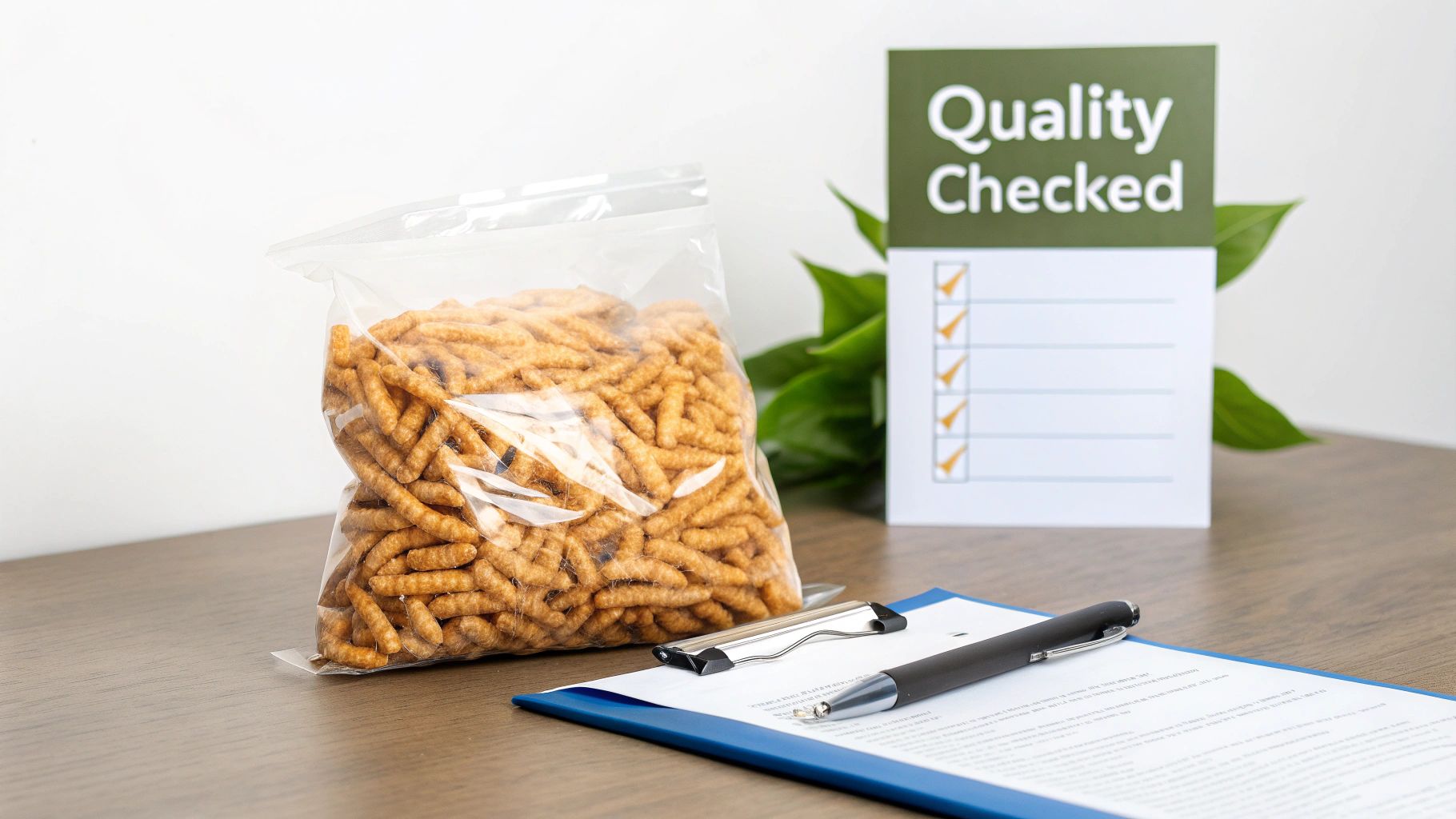
Making a smart choice really boils down to transparency. A premium product will always be upfront about its origin, safety testing, and what’s inside the bag. It’s your guarantee that you’re giving your birds a clean, potent, and safe treat.
Your Quality Checklist
When you're comparing brands, keep these key things in mind. They’re the real hallmarks of a superior grub product that puts safety and nutrition first.
- USA-Sourced and Raised: Look for clear labeling stating the grubs are from the USA. This is your first and best defense against the wild west of unregulated, low-quality imports.
- Guaranteed Heavy Metal Testing: The best brands will proudly state that every single batch is tested for nasty contaminants like lead, mercury, and arsenic. This is non-negotiable for the safety of your flock and the eggs your family enjoys.
- Pure and Simple Ingredients: The ingredient list should be short and sweet: 100% dried Black Soldier Fly Larvae. There’s absolutely no need for preservatives, artificial colors, or strange fillers. Pure grubs mean pure nutrition.
Choosing a premium brand isn’t about paying for a fancy label; it's about investing in verified safety and consistent quality. It’s the peace of mind that comes from knowing exactly what’s in your flock’s feed bowl.
It’s no surprise that as poultry keepers become more focused on food safety and ethical sourcing, the demand for high-quality feed has skyrocketed. This trend is a big reason why the poultry feed market grew from $98.29 million in 2021 and is projected to hit $125.5 million by 2025.
What Quality Looks and Smells Like
You can often spot quality just by opening the bag. A good batch of grubs should look plump, whole, and have a consistent, almost nutty, golden-brown color. This tells you they were harvested at their nutritional peak and dried carefully to lock in all that goodness.
On the other hand, a bag full of broken bits, dark or blackened larvae, or an off-putting smell is a major red flag. It likely points to poor processing or old stock. Trust your senses—they can tell you a lot about the product’s integrity.
Storing Your Grubs for Lasting Freshness
Once you’ve got your hands on a quality bag of grubs, storing them correctly is the key to keeping them fresh and potent. To protect your investment and make sure your flock gets the full benefit of every scoop, just follow these simple tips:
- Keep Them Cool and Dry: Store the bag in a cool, dark spot like a pantry, garage, or feed shed. Direct sunlight is the enemy; it can break down the nutrients over time.
- Seal It Up Tight: After you scoop some out, always reseal the bag tightly to keep moisture and pests away. A sturdy clip is your best friend here.
- Consider an Airtight Container: For the long haul, transferring the grubs into a sealed plastic or metal container is a great move. It offers the ultimate protection from humidity and any curious critters.
With this guide, you’re now equipped to choose the best grubs for chickens like a pro. You know what to look for, what to avoid, and how to keep them fresh. For more tips on finding a trustworthy source, check out our complete guide on where to buy Black Soldier Fly Larvae.
Got Questions About Grubs? We’ve Got Answers.
Even after seeing all the good things grubs can do, you probably still have a few questions buzzing around. It's only natural. Let's tackle some of the most common things chicken keepers wonder about, so you can feel completely confident about adding grubs to your flock's diet.
Can My Baby Chicks Eat Grubs?
Absolutely, but you'll need to do a little prep work first. Whole dried grubs are a bit too big for tiny beaks to handle safely.
For the first few weeks, it's a good idea to crush them up. You can put some in a plastic bag and gently roll over them with a rolling pin or just crumble them with your fingers. This gives the little ones a fantastic protein boost for their fast-growing bodies. Once they're a bit bigger, they’ll have no trouble gobbling them down whole.
Should I Feed Dried Grubs Or Live Grubs?
While both live and dried grubs are great for your flock, dried grubs win out for most backyard chicken keepers, hands down.
Dried grubs are simply more practical. They're a breeze to store, last for a very long time, and are generally easier on the wallet. You get all that fantastic protein and calcium without the fuss of trying to keep live insects.
For convenience, safety, and a reliable nutritional punch, dried grubs are the superior choice for the vast majority of backyard flocks. They deliver all the benefits with none of the logistical headaches.
Will Grubs Make My Eggs Taste Weird?
Not at all! In fact, you'll likely notice the opposite. Feeding your hens high-quality grubs won't give their eggs any off-flavors.
Think of it this way: better ingredients in, better eggs out. The rich protein and healthy fats in the grubs help your hens produce eggs with strong shells, vibrant deep-orange yolks, and a richer, more delicious flavor. You're giving them a clean, natural food that improves egg quality from the inside out.
Ready to give your flock the best? Treat them to the USA-sourced, lab-tested quality of Pure Grubs. Our grubs are packed with the calcium and protein your chickens need for stronger eggs and healthier feathers. Shop now and see the difference firsthand at Pure Grubs.