

How to Improve Egg Quality Naturally
If you’re looking to improve your egg quality naturally, the key is to think in terms of a 90-day window. The egg you ovulate this month actually started its final maturation journey about three months ago. This means the lifestyle choices, nutrition, and stress levels you manage today are directly shaping the health of the eggs you’ll have available in the near future.
What "Egg Quality" Actually Means for Your Fertility
When doctors and fertility specialists talk about "egg quality," they aren't grading its size or shape. They're talking about its genetic makeup—whether an egg is chromosomally normal, which is called euploid.
A healthy egg has exactly 23 chromosomes. When it meets sperm (which also brings 23 chromosomes), it has the perfect genetic blueprint to create a healthy embryo. This single factor—the egg's chromosomal integrity—is the most critical piece of the puzzle for a successful pregnancy. An egg with the wrong number of chromosomes (aneuploid) often won't fertilize or implant. If it does, it sadly leads to a higher risk of miscarriage or genetic disorders.
The Critical 90-Day Window for Egg Maturation
It’s a fact that catches many people by surprise: the egg released during ovulation has been on a three-month-long journey to get there. During this 90-day period, the maturing egg is incredibly sensitive to its surroundings inside your body. This is both a vulnerability and a huge opportunity.
Everything you do during this window can either help or hinder its development. The goal is to create the best possible environment. This includes:
- Promoting nutrient-rich blood flow to the ovaries, delivering vital oxygen and building blocks.
- Maintaining hormonal balance, as the right signals are needed for the egg to mature correctly.
- Minimizing oxidative stress, which means protecting the delicate egg from damage by free radicals.
Think of it as preparing the soil before you plant a seed. Your actions today are laying the groundwork for your fertility in the coming months.
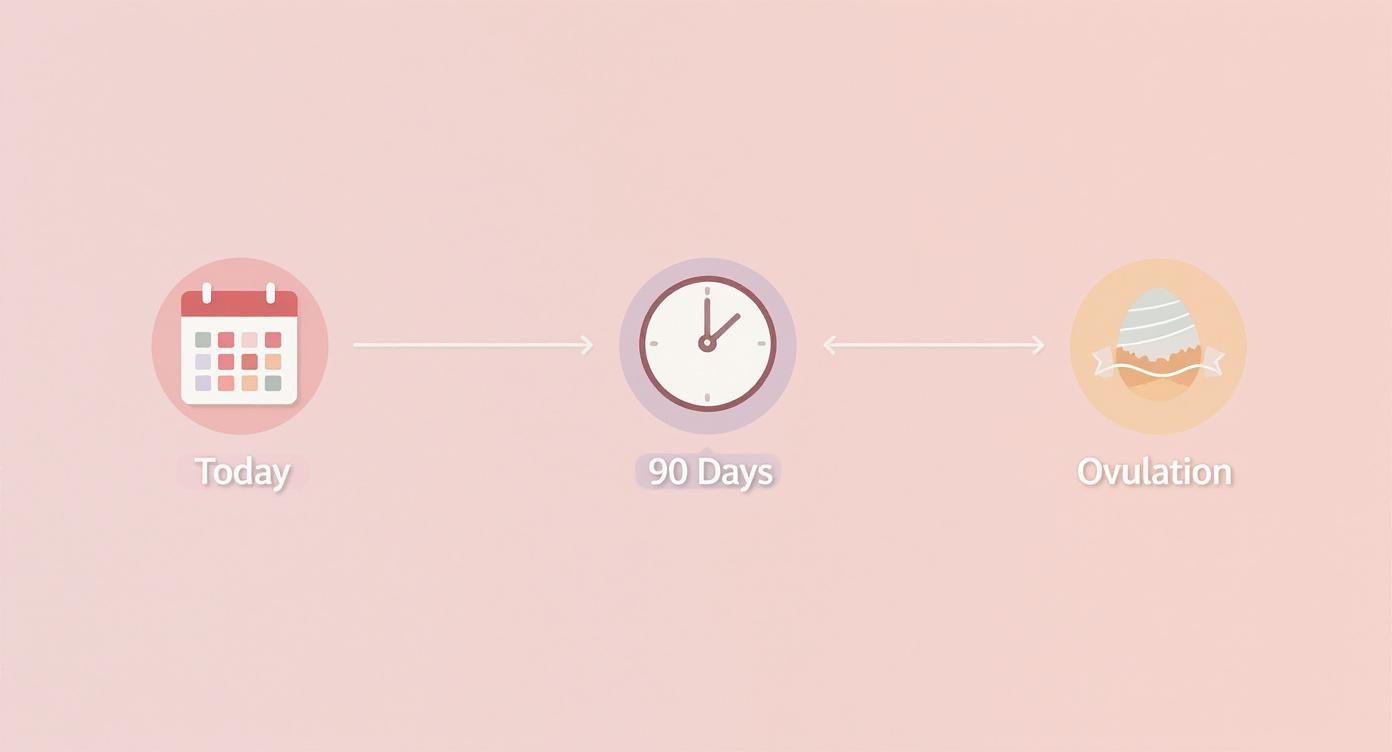
This process highlights why consistency is so important. The small, healthy choices you make day after day really do add up to influence the final quality of the egg that's released.
How Age Impacts Egg Quality
There's no getting around it—age is the single biggest factor influencing egg quality. As women get older, the percentage of chromosomally abnormal eggs naturally rises. It’s a normal part of the biological aging process; the cellular mechanics that sort chromosomes just become a bit less precise over time.
It's the age of the egg, not the age of the uterus, that is the primary driver of age-related infertility. We see this proven time and again in egg donation, where the success of the pregnancy is tied to the donor's age, not the recipient's.
Consider the data from IVF clinics. Success rates for women over 40 using their own eggs can be less than 10% per embryo transfer. But when those same women use eggs from a younger donor, live birth rates can jump to around 30%. You can read the full research about these fertility findings to see the data for yourself.
The good news? While you can't turn back the clock, you absolutely can influence the environment surrounding your remaining eggs to give them the best possible chance to mature healthily.
Your diet is one of the most powerful tools you have for boosting your reproductive health. What you eat provides the literal building blocks for every cell in your body, and that includes your eggs. The goal here isn't about restrictive dieting; it's about strategically adding powerful, nutrient-dense foods that create a nourishing internal environment and support your body's delicate hormonal balance.
Think of it like tending a garden. For a plant to flourish, it needs rich, fertile soil packed with specific nutrients. It's the same principle for your eggs—they rely on a steady supply of vitamins, minerals, and antioxidants to protect them during their critical 90-day journey to maturation.
Antioxidants: Your Cellular Bodyguards
Every single day, our bodies are up against something called oxidative stress. This is damage caused by unstable molecules known as free radicals. While it's a normal part of metabolism, things like pollution, stress, and a less-than-ideal diet can ramp it up, putting delicate cells like your eggs at risk. Antioxidants are your body's personal defense team, swooping in to neutralize these free radicals before they can cause harm.
Loading up your plate with antioxidant-rich foods is one of the most direct ways you can shield your developing eggs.
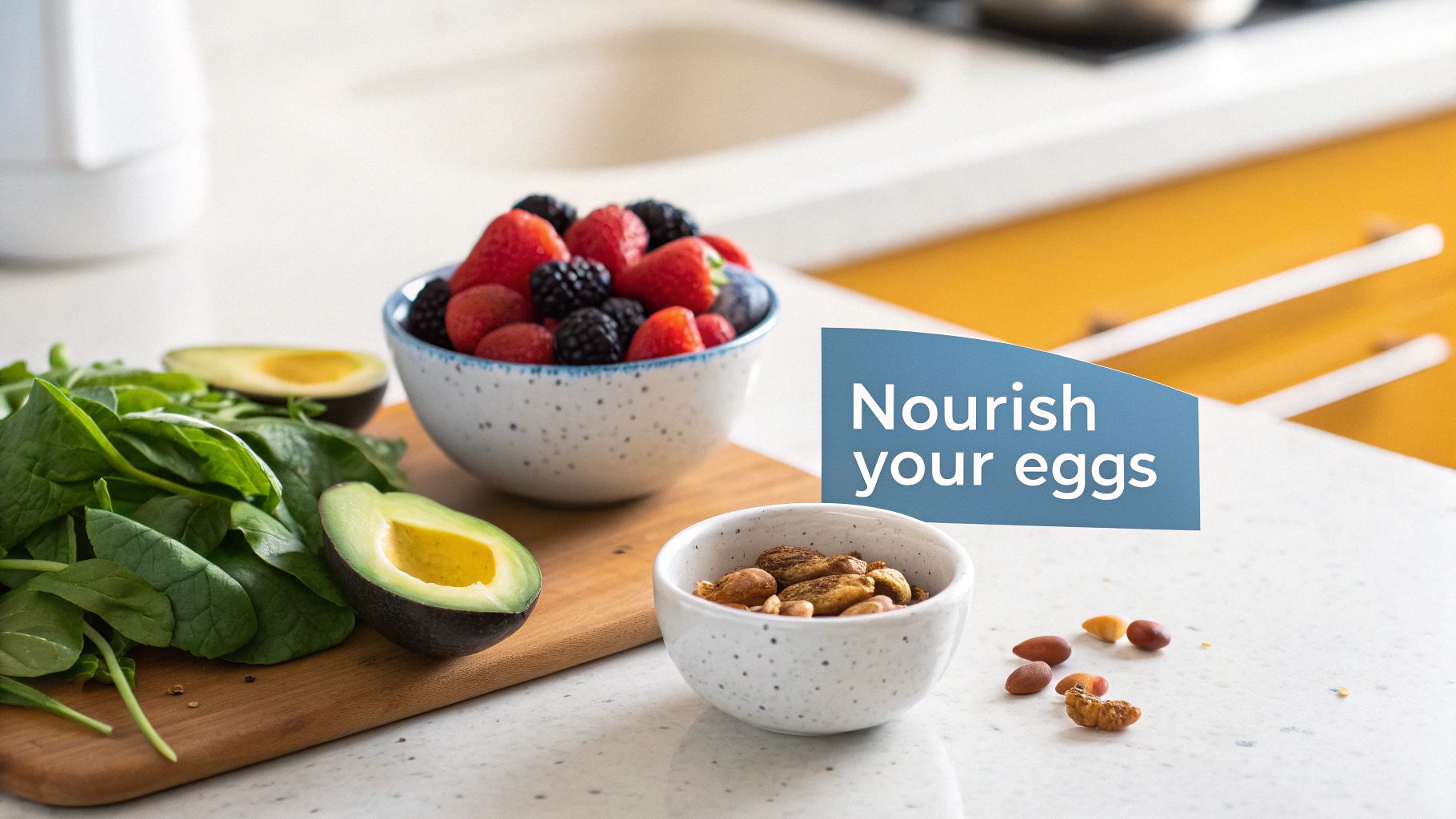
- Berries: Blueberries, strawberries, and raspberries are bursting with antioxidants like Vitamin C and flavonoids. A small bowl mixed into yogurt or a smoothie is an easy daily win.
- Leafy Greens: Spinach, kale, and even broccoli are powerhouses of folate, iron, and Vitamins A, C, and E. I always tell clients to toss a big handful of spinach into a morning smoothie—you honestly won't even taste it.
- Nuts and Seeds: Walnuts and almonds are fantastic sources of Vitamin E and selenium, which is known to help repair chromosomal damage. A small handful makes for a perfect, stabilizing snack.
The Power of Healthy Fats and Stable Blood Sugar
Don't fear the fat! Healthy fats are essential for more than just heart health; they're the building blocks for hormones that regulate your menstrual cycle and support ovulation. Foods like avocados, olive oil, nuts, and seeds provide monounsaturated fats that help reduce inflammation and promote healthy blood flow to your ovaries.
Keeping your blood sugar stable is just as important. The spikes and crashes that come from processed foods and refined carbs can throw your hormonal symphony completely out of tune. When your insulin levels are on a rollercoaster, it can directly interfere with ovulation and egg maturation.
Stable blood sugar creates hormonal harmony. Simple swaps, like choosing whole grains such as quinoa or brown rice over white bread, can make a significant difference in preventing the insulin spikes that negatively impact egg health.
A key player in all of this is a coenzyme called NAD+. Emerging research highlights that NAD+ levels, which naturally decline as we get older, are vital for protecting the cellular machinery inside our eggs as they mature. In fact, you can discover more insights about these metabolic factors from the University of Queensland. Supporting your body's NAD+ levels through a nutrient-rich diet might just be another important piece of the puzzle.
Nutrient-Dense Foods for Optimal Egg Health
To make this even more practical, I've put together a table of some of the best foods to focus on. Think of this as your grocery store cheat sheet for building a fertility-friendly diet.
| Nutrient Category | Why It Matters for Egg Quality | Food Sources to Include |
|---|---|---|
| Antioxidants (Vitamins C, E, Selenium) | Protects eggs from cellular damage (oxidative stress) and supports DNA integrity. | Berries, citrus fruits, leafy greens, nuts (almonds, walnuts), seeds (sunflower seeds). |
| B Vitamins (especially Folate) | Crucial for cell division, preventing birth defects, and supporting the overall maturation process. | Lentils, beans, spinach, kale, asparagus, avocados, broccoli. |
| Healthy Fats (Omega-3s, Monounsaturated) | Reduces inflammation, supports hormone production, and improves blood flow to the reproductive organs. | Salmon, sardines, avocados, olive oil, walnuts, chia seeds, flaxseeds. |
| Coenzyme Q10 (CoQ10) | Acts as an antioxidant and helps fuel the mitochondria (the energy factories) within the egg cells. | Fatty fish (salmon, tuna), organ meats, spinach, broccoli, cauliflower. |
| Iron | Essential for preventing ovulatory infertility and ensuring oxygen-rich blood reaches the ovaries. | Lean red meat, poultry, beans, lentils, spinach, tofu. |
Remember, variety is key. Aim to include a colorful mix of these foods throughout your week to cover all your nutritional bases.
Practical Swaps for Sustainable Change
Trying to change your diet can feel overwhelming, so please, start small. Instead of a complete, drastic overhaul, just focus on one manageable swap at a time. For instance, this week you could replace your afternoon bag of chips with a handful of walnuts and a piece of fruit. Or swap a sugary soda for sparkling water with a squeeze of fresh lemon.
It's funny, but this core concept of providing the right nutrients applies across species. While the details are obviously different, the principle is the same whether we're talking about human fertility or ensuring a healthy flock of chickens. You can even check out our guide on what to feed laying hens to see just how critical targeted nutrition is for their egg production and shell quality.
Every small, consistent choice you make helps build a healthier foundation for the future.
Lifestyle Habits That Nurture Your Fertility
While the food you eat lays a powerful foundation, your daily habits and emotional well-being are just as critical for reproductive health. Nurturing your egg quality naturally is about more than just what’s on your plate; it’s about creating a holistic environment where your body can truly flourish. This means getting a handle on the invisible stressors and routines that can throw your delicate hormonal balance out of whack.
Think about chronic stress. It's not just a feeling; it’s a physiological event. When your body is constantly on high alert, it floods your system with the stress hormone cortisol, which can directly interfere with ovulation and disrupt the intricate hormonal signals your ovaries rely on. Getting a handle on your stress response isn't optional—it's a core part of nurturing your fertility.
Master Your Stress Response
You don't need a week-long silent retreat to see real benefits. Small, consistent actions can make a massive difference in lowering your cortisol levels and calming your entire nervous system. Even dedicating just 10 minutes to a mindfulness practice each morning can help reset your stress baseline for the rest of the day.
Here are a few practical, down-to-earth techniques to try:
- Mindful Breathing: Take five minutes and just focus on your breath. A simple box breath—inhaling for four counts, holding for four, exhaling for six—is incredibly effective. It actively shifts your body out of "fight or flight" and into "rest and digest" mode.
- Gentle Movement: Activities like restorative yoga or even a quiet walk in a park can do wonders. They not only reduce stress but also boost blood flow to your reproductive organs.
- Journaling: Spend a few minutes before bed scribbling down whatever is on your mind. The act of getting worries out of your head and onto paper can keep them from swirling around and ruining your sleep.
The goal isn't to eliminate stress completely, because that’s just not realistic. It’s about building the resilience to keep it from taking over your hormonal health.
Prioritize Restorative Sleep
Sleep is non-negotiable. It’s when your body does its most important repair and regeneration work, from clearing out cellular waste to regulating key reproductive hormones like melatonin. Consistently skimping on quality sleep can throw your whole system off, impacting everything from your cycle regularity to the final maturation of your eggs.
Aim for 7-9 hours of solid, uninterrupted sleep each night. It’s fundamental maintenance for your fertility. Poor sleep messes with your circadian rhythm, which in turn can disrupt the hormonal symphony that governs your menstrual cycle and ovulation.
If you have trouble sleeping, start building a "wind-down" routine. Power down all screens at least an hour before you want to sleep, maybe take a warm bath with Epsom salts, or sip on some chamomile tea. Make your bedroom a sanctuary: cool, dark, and quiet. It makes a bigger difference than you might think.
Move Your Body Wisely
Consistent, moderate exercise is fantastic for improving egg quality. It gets your circulation going, delivering fresh, oxygenated blood to your ovaries, helps you maintain a healthy weight, and is one of the best stress-busters out there. Think brisk walking, swimming, dancing, or cycling—whatever feels good to you.
But this is one area where more isn't necessarily better. Overdoing it with very intense, prolonged exercise can put too much physical stress on the body, which can sometimes backfire and disrupt ovulation. It’s all about finding that sweet spot—a joyful, sustainable routine that leaves you feeling energized, not completely wiped out.
These principles of a healthy, low-stress environment are universal for fostering vitality. You can even see these concepts at play in the animal world, a topic we touch on in our guide on how to keep chickens healthy. The key is to listen to your body and choose movements that truly nourish you.
Clearing the Way: How to Reduce Your Toxin Exposure for Better Eggs
Let's be real—it’s impossible to live in a completely toxin-free world. But you have a lot more control than you might think when it comes to lightening your body's load. This isn't about living in a sterile bubble; it's about making smart, simple swaps.
The focus here is on minimizing your contact with endocrine-disrupting chemicals (EDCs). These are sneaky compounds found in everyday products that can mess with your hormones and, in turn, impact the health of your developing eggs.
You've probably heard of some of them, like BPA, phthalates, and parabens. They pop up in everything from plastic food containers and water bottles to scented lotions and cleaning sprays. The good news? You don’t need to do a massive, expensive overhaul. It really just comes down to being a little more mindful of what you bring into your home and put on your body.
Even small, consistent changes can make a big difference, creating a healthier internal environment that gives your eggs the best possible chance to mature properly.
Start in the Kitchen with Simple Swaps
The kitchen is one of the easiest and most high-impact places to begin. So many of us, myself included, have reached for plastic containers to store leftovers or reheat a quick meal. But when plastic gets heated, chemicals like BPA can leach right into your food.
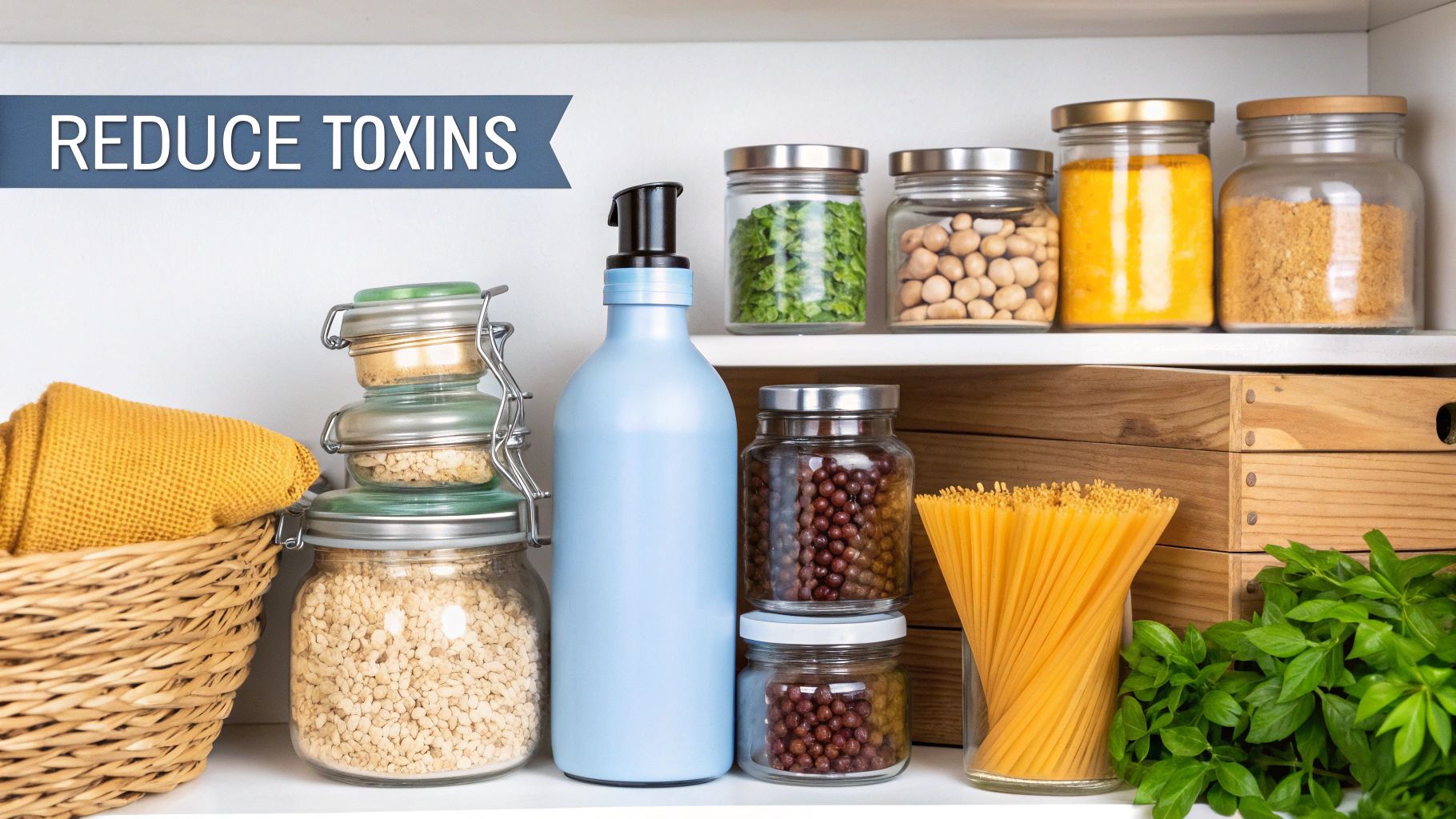
Switching to glass or stainless steel for food storage and water bottles is a game-changer. It’s a one-time purchase that completely removes that specific risk from your daily routine.
- Ditch Plastic Containers: Swap them out for glass alternatives. They're much safer for reheating, and as a bonus, they don't get stained by tomato sauce or hold onto weird smells.
- Filter Your Water: A good quality water filter for your tap is a great investment. It helps cut down on potential contaminants you might be drinking every day.
- Rethink Your Cookware: If you have old, scratched non-stick pans, it might be time to replace them. Those scratches can release unwanted chemicals. Cast iron, stainless steel, or ceramic are all fantastic, durable alternatives.
Clean Up Your Personal Care Routine
What you put on your skin gets absorbed into your body, so it’s just as important as what you eat. A surprising number of lotions, shampoos, and cosmetics contain phthalates (often disguised as "fragrance") and parabens (used as preservatives).
Your best tool here is learning to read labels. Keep an eye out for products that are clearly marked "fragrance-free," "paraben-free," and "phthalate-free." Honestly, the shorter and simpler the ingredient list, the better.
You don't need to toss everything at once. A more practical approach is to simply replace products with a cleaner version as you run out. For instance, when that scented body lotion is empty, look for an unscented one made with natural ingredients like shea butter or coconut oil.
The same goes for household cleaners. You can tackle most jobs around the house with stuff you probably already have. A spray bottle with a 50/50 mix of white vinegar and water works wonders on countertops and glass. These little adjustments really add up, lowering your body's overall chemical burden and creating a much healthier space for your eggs to thrive.
A Smart Approach to Supplements for Egg Quality
Think of a nutrient-rich diet as the bedrock of your egg quality plan. But sometimes, specific supplements can give you that extra, targeted boost where it counts. The key is to be strategic—this isn't about popping a bunch of pills, but about filling in specific nutritional gaps. And of course, always have a conversation with your doctor before starting anything new.
Supplements aren't magic; they're reinforcements. They deliver higher doses of key nutrients that support the tiny powerhouses—the mitochondria—inside your maturing eggs.
It's all about creating the absolute best environment for your eggs as they develop. Research shows just how sensitive eggs are to their surroundings. One study found that even just a few hours of pre-incubation before IVF insemination could significantly boost egg maturation rates. You can dig into the full findings on egg maturation yourself, but the takeaway is clear: a supportive environment is a game-changer.
Key Supplements to Bring Up with Your Doctor
The supplement aisle can feel like a minefield. To help you feel more prepared for a chat with your healthcare provider, here are a couple of supplements that consistently come up in conversations about reproductive health.
Coenzyme Q10 (CoQ10)
You can think of CoQ10 as the "spark plug" for your cells. It's absolutely vital for producing energy in the mitochondria. Your eggs need a massive amount of energy to mature correctly and then divide after fertilization. Our bodies produce less CoQ10 as we get older, which is exactly why it’s so often recommended.
Myo-Inositol
Part of the B-vitamin complex, myo-inositol is a major player in how our bodies handle insulin and in the development of healthy follicles. It's often highlighted for its ability to support ovarian function, particularly for women dealing with conditions like PCOS.
A Quick Note on Quality: It really, really matters. Look for supplement brands that use third-party testing to verify what’s actually in the bottle. This simple step ensures you’re getting a pure, potent product without any unwanted extras.
The Foundational Vitamins and Minerals
Beyond the big names, a few everyday vitamins and minerals are the unsung heroes of reproductive wellness. It's always a good idea to make sure you're not running low on these.
- Vitamin D: We call it the "sunshine vitamin," but Vitamin D is actually a hormone that influences everything from your immune system to reproductive health. Since so many of us are deficient, asking for a blood test to check your levels is a smart move.
- Vitamin E: This is a fantastic antioxidant that acts like a bodyguard for your egg cells, shielding them from the damage caused by oxidative stress.
- Calcium: We all know it's for bones, but calcium is also essential for all sorts of cellular signals and functions. This need for foundational minerals is universal. In fact, you can see a parallel in the animal world by checking out our guide on the best calcium supplement for chickens, where strong eggshells are the ultimate goal.
Just remember, more isn't necessarily better. The perfect supplement plan is unique to you—it has to match your diet, your health history, and what you’re trying to achieve. That's why working with a professional is the only way to build a plan that's both safe and effective for your body.
Bringing It All Together: Your Personal Action Plan
Now it's time to turn all this knowledge into action. I know it can feel like a lot to take in, but improving your egg quality naturally isn't about doing everything perfectly all at once. It's about making small, consistent shifts that create a big impact over time.
Remember that crucial 90-day window for egg development? The choices you make today are what nurture the eggs that will mature three months from now. The best way forward is to avoid overwhelm by picking just one manageable change from each of the main areas we’ve discussed—diet, lifestyle, environment, and supplements.
Think of it as designing your own fertility wellness plan. The goal is progress, not perfection.
A Simple Starting Point: Your Weekly Focus
To make this feel completely doable, try tackling one small goal each week for a month. This approach breaks the journey down into bite-sized pieces and lets you build momentum without feeling swamped.
Here’s an example of what that could look like:
-
Week 1 (Nutrition): Add one new fertility-friendly food to your daily meals. This doesn't have to be complicated! It could be as easy as tossing a handful of spinach into your morning smoothie or swapping your usual afternoon snack for a handful of walnuts. You're adding nourishment, not starting a crazy diet.
-
Week 2 (Lifestyle): Commit to just 10 minutes of a stress-busting activity every day. Maybe that’s a guided meditation before you fall asleep, a quick walk in the fresh air on your lunch break, or a few minutes of journaling. Pick whatever genuinely helps you unwind.
-
Week 3 (Environment): Make one simple toxin swap. This week, maybe you decide to switch from plastic Tupperware to glass containers. Or, when your current scented body lotion runs out, you could replace it with a clean, fragrance-free option.
-
Week 4 (Supplements): This is the week to talk to a pro. Schedule a call with your doctor or a fertility nutritionist to review your health and see if targeted supplements like CoQ10 or Vitamin D are a good fit for your unique situation.
By the end of just one month, you’ll have woven four powerful, positive changes into your daily life. It’s all about building a solid foundation of healthy habits, one brick at a time.
Consistency Trumps Intensity, Every Time
This journey is a marathon, not a sprint. If you have an "off" day, it doesn't undo all your hard work. Don't let one less-than-perfect meal or a stressful afternoon throw you off course. The most important thing is to just get back on track.
Be sure to celebrate the small victories. Did you try a new healthy recipe and love it? Did you manage to get a full eight hours of sleep three nights in a row? Acknowledge it! Every single positive choice you make is helping to create a healthier, more welcoming environment for your eggs to mature and thrive.
A Few More Questions About Improving Egg Quality

As you start putting these natural strategies into practice, it’s completely normal to have a few lingering questions. Let's tackle some of the most common ones I hear, so you can feel confident moving forward.
How Long Does It Take to See a Difference?
This is probably the most asked question, and for good reason! The magic number to keep in mind is 90 days.
Why so long? Well, an egg's journey from a tiny follicle to a mature, ovulation-ready state takes about three months. Think of it as a crucial developmental window. The diet, lifestyle, and supplement changes you make today are nurturing the eggs that will be ready three months from now. That’s why consistency during this period is everything.
Can I Actually Get My Egg Quality Tested?
This is a tricky one. Unfortunately, there isn't a simple blood test or scan that gives you a direct "good" or "bad" rating for egg quality. Instead, your doctor will piece together a puzzle by looking at a few key indicators.
They'll typically consider:
- Your age: This remains the single biggest factor influencing egg quality.
- Hormone levels: They'll check your AMH (Anti-Müllerian Hormone) and FSH (Follicle-Stimulating Hormone) to get a sense of your ovarian reserve.
- Antral follicle count: An ultrasound can count the number of small, resting follicles, which gives more clues about your potential.
Ultimately, the only true test of an egg's quality is its ability to create a healthy, chromosomally normal embryo (known as a "euploid" embryo). If you're going through IVF, preimplantation genetic testing (PGT-A) analyzes the embryos, giving you a very clear picture of the combined quality of both the egg and sperm.
What Foods Should I Definitely Avoid?
While I’m not a fan of creating long lists of "forbidden" foods, it's smart to minimize things that fuel inflammation and can throw your hormones out of whack. This is a core principle when learning how to improve egg quality naturally.
Try to cut back on highly processed foods—the kind that come in a box or bag and are full of unhealthy fats, sugars, and chemicals you can't pronounce. Specifically, be mindful of:
- Trans fats: These are often lurking in fried foods, margarine, and many store-bought pastries.
- Excessive sugar & refined carbs: Think sugary sodas, white bread, and pasta, which can cause insulin spikes and disrupt hormonal balance.
- High alcohol and caffeine intake: Most experts agree that it's best to significantly reduce both when you're trying to conceive.
By focusing on whole, real foods, you’re giving your body the best possible building blocks for healthy eggs.
At Pure Grubs, we're passionate about the power of nutrition—whether it's for you or your flock. Give your chickens the high-calcium, American-grown grubs they need to thrive. Shop Pure Grubs today.