

What Is the Best Chicken Breed for Eggs? 8 Top Choices for 2026
Finding the best chicken breed for eggs is a decision that shapes your entire backyard poultry experience. It's about more than just securing the highest annual egg count; it’s about finding a bird whose temperament, hardiness, and needs align with your specific goals and environment. A prolific layer that is difficult to manage or ill-suited to your climate can quickly turn a rewarding hobby into a frustrating chore. The ideal hen offers a powerful combination of consistent production, efficient feed conversion, a manageable disposition, and robust health.
This guide is designed to move beyond simple rankings and provide a comprehensive comparison of the top egg-laying breeds. We will dive deep into the specifics of what makes each chicken a standout choice, helping you make an informed decision for your flock. For each of the 8 breeds we cover, you will learn about:
- Annual Egg Production: Realistic estimates for what you can expect.
- Egg Characteristics: Details on size, color, and shell strength.
- Temperament and Hardiness: How they interact with keepers and handle various climates.
- Nutritional Needs: Key dietary requirements for sustained laying, including the role of high-calcium supplements like black soldier fly larvae (BSFL) in promoting strong eggshells.
Whether you are a seasoned homesteader aiming for maximum yield or a first-time keeper looking for a friendly and reliable source of breakfast, this roundup provides the practical insights needed to select the perfect egg-laying champion for your coop. Let's explore the breeds that consistently deliver.
1. Leghorn Chickens
When you picture a classic white chicken laying a perfect white egg, you're likely thinking of a Leghorn. Originating from Italy, this breed is the undisputed champion of egg production and is considered by many to be the best chicken breed for eggs if sheer volume is your primary goal. Leghorns are prolific layers, incredibly efficient converters of feed into eggs, and possess a light, active frame that makes them an economical choice for both backyard keepers and small-scale commercial operations.
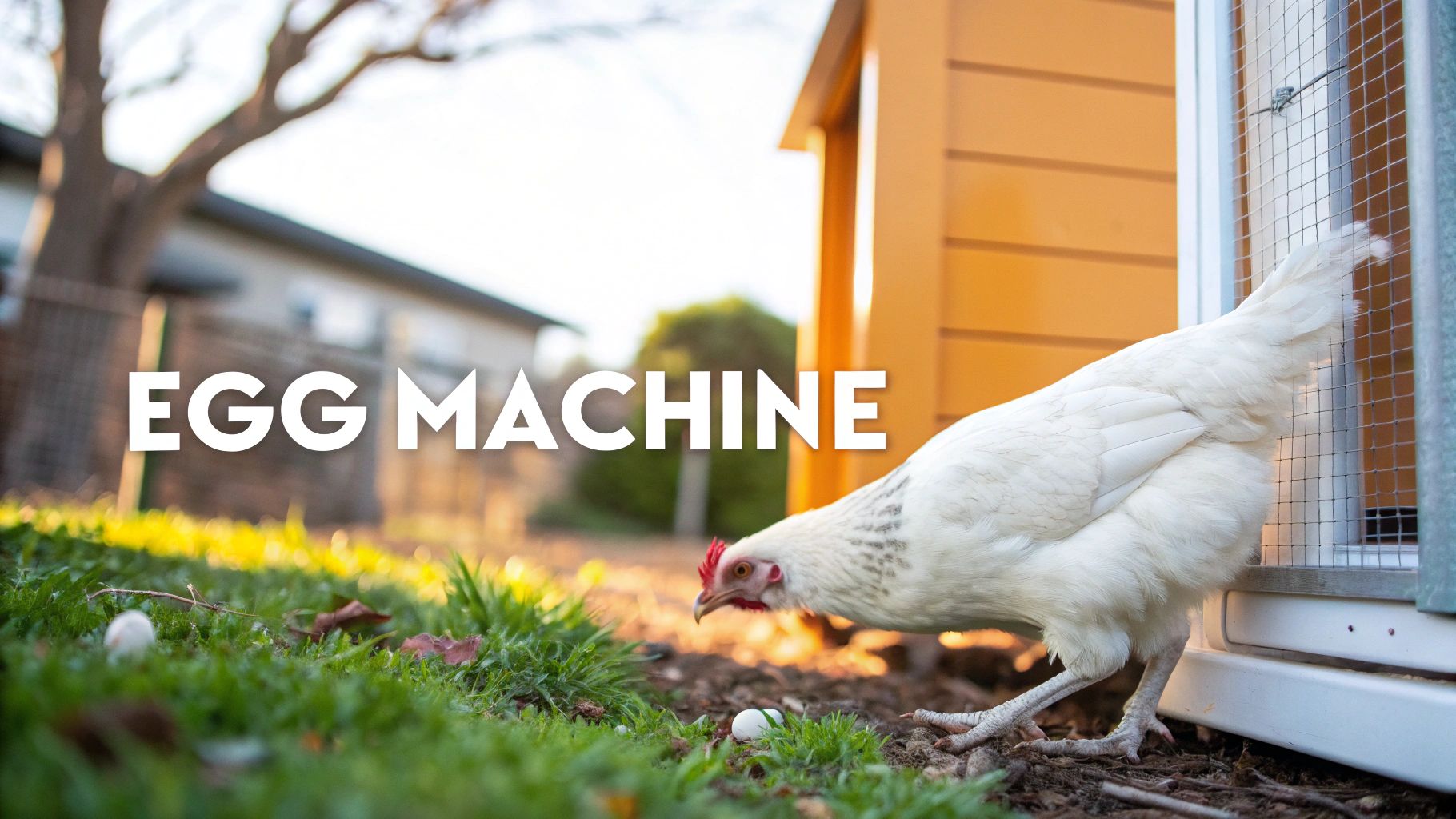
They are non-broody, meaning they won't stop laying to sit on a nest of eggs, which further solidifies their reputation as egg-laying machines. While active and sometimes flighty, their independent nature means they are excellent foragers if given the space to roam.
Breed Profile & Egg Production
- Annual Egg Production: 250-300+ eggs per year
- Egg Size & Color: Large, classic white eggs
- Temperament: Active, intelligent, and sometimes nervous or flighty; not typically a cuddly "lap chicken"
- Hardiness: Very heat-tolerant but their large, single combs can be prone to frostbite in extremely cold climates. Proper coop insulation is key.
- Size: Small and lightweight, typically weighing around 4-6 pounds.
Care & Feeding for Maximum Egg Output
Supporting a Leghorn's high production rate requires specific attention to nutrition. Their bodies are working overtime, and they need the right fuel to maintain health and consistently produce high-quality eggs.
Key Insight: A Leghorn's efficiency comes at a nutritional cost. Skimping on high-quality feed or calcium will quickly lead to a drop in production and can cause health issues like weak eggshells or osteoporosis.
To keep your Leghorns in peak condition, focus on these actionable tips:
- Premium Layer Feed: Provide a high-quality layer feed with a protein content of 16-18%. This is non-negotiable for supporting their intense laying cycle.
- Boost Calcium Intake: Supplement their diet with a free-choice calcium source like crushed oyster shells. For an even more effective boost, consider adding Black Soldier Fly Larvae (BSFL) like Pure Grubs, which deliver 85% more calcium than mealworms, directly contributing to stronger, healthier eggshells.
- Maintain Lighting: In colder, darker months, provide supplemental lighting to ensure your flock receives 14-16 hours of light per day. This helps maintain consistent laying through the winter. You can learn more about how to increase chicken egg production with our detailed guide.
2. Sussex Chickens
For those seeking a perfect blend of consistent egg production and a friendly, gentle personality, the Sussex chicken is an outstanding choice. Originating from England, this dual-purpose heritage breed is celebrated for its calm demeanor, reliability, and beautiful appearance. Sussex chickens are not only dependable layers of lovely brown eggs but also make excellent, curious companions, making them a top contender for the best chicken breed for eggs in a family or backyard setting.
They are known for being excellent foragers, helping with natural pest control around the yard. Their personable and gentle nature means they integrate well into mixed flocks and are generally easy to handle, making them a favorite among both new and experienced chicken keepers.
Breed Profile & Egg Production
- Annual Egg Production: 150-200 eggs per year
- Egg Size & Color: Medium to large, light brown or tinted eggs
- Temperament: Calm, friendly, curious, and gentle; an excellent choice for families with children
- Hardiness: Very cold-hardy and adaptable to various climates. They handle both confinement and free-ranging well.
- Size: Medium to large, weighing around 7-8 pounds, making them a true dual-purpose breed.
Care & Feeding for Maximum Egg Output
Supporting a Sussex's reliable egg production and robust health involves providing a balanced diet and an environment that suits their curious nature. While not as high-strung as production breeds, their nutritional needs are still significant.
Key Insight: The dual-purpose nature of a Sussex means their energy needs support both steady egg-laying and a larger body frame. A high-quality, protein-rich diet is essential for maintaining both aspects of their health.
To keep your Sussex hens laying consistently and thriving, focus on these actionable tips:
- Quality Layer Ration: Provide a consistent, high-quality layer feed with at least 16% protein to support their bodies and egg production.
- Encourage Foraging: Give them safe space to roam and forage for insects and greens, which supplements their diet and satisfies their natural curiosity. Be sure to provide secure fencing to protect them from predators.
- Supplement with Calcium: Offer free-choice crushed oyster shells to ensure they get enough calcium for strong eggshells. For an extra boost, offer a high-calcium treat like Pure Grubs BSFL, which supports excellent shell quality and promotes healthy, vibrant feathers.
- Rotate Grazing Areas: If you use your Sussex for pest control, rotate their grazing areas periodically. This maximizes their foraging impact while minimizing the risk of parasite buildup in the soil.
3. Rhode Island Red Chickens
The Rhode Island Red is an American classic, a quintessential backyard chicken known for its hardiness, reliability, and dual-purpose nature. Developed in Rhode Island in the late 1800s, this breed is celebrated not just for its consistent egg-laying but also for its respectable meat qualities. For those seeking a dependable, all-around performer, the Rhode Island Red is arguably the best chicken breed for eggs combined with exceptional resilience.
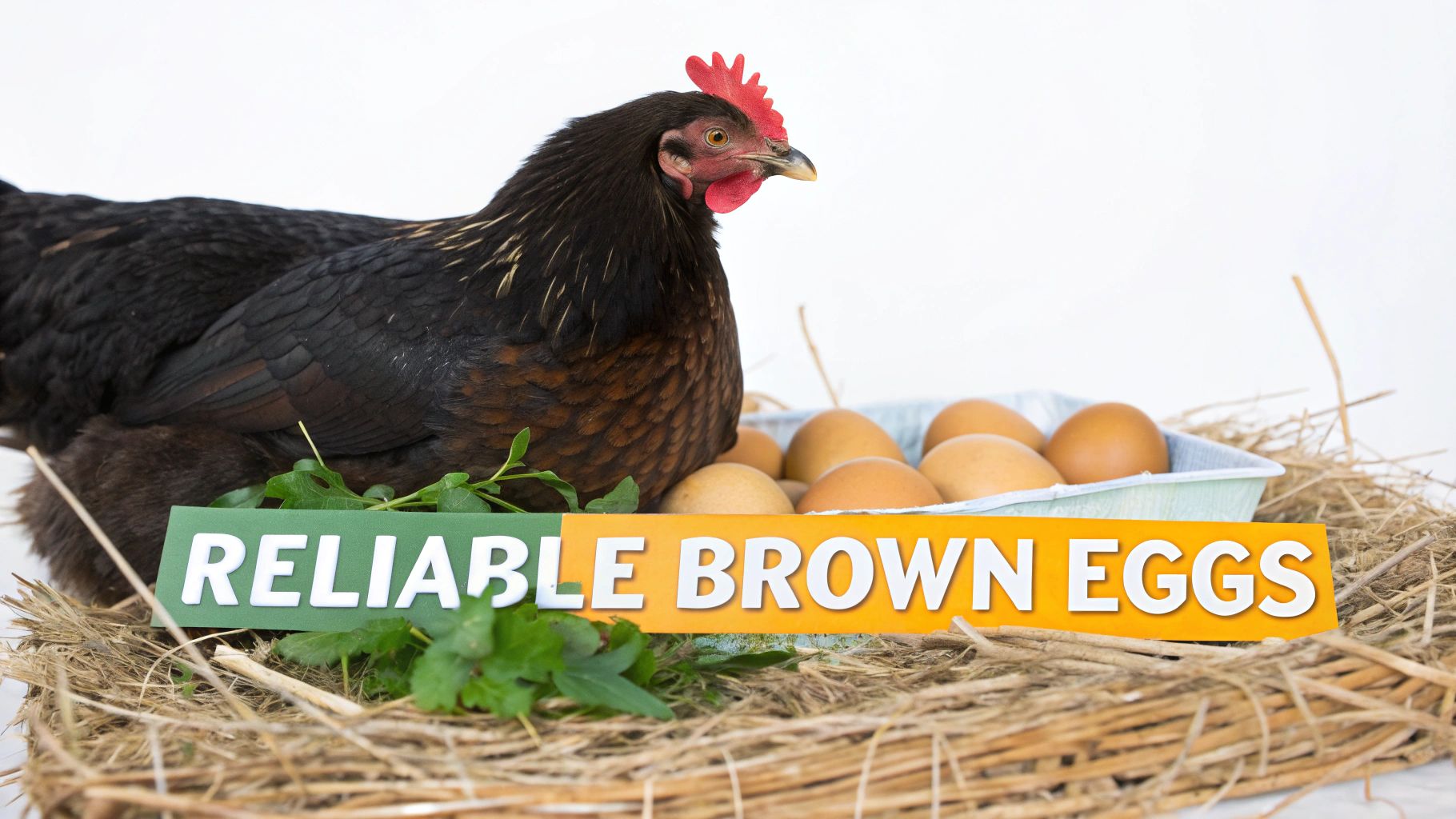
They are incredibly adaptable and can thrive in various climates, from hot summers to cold, snowy winters. While generally friendly, they are also active foragers who love to explore, making them a great addition to both confined runs and free-range setups.
Breed Profile & Egg Production
- Annual Egg Production: 200-300 eggs per year
- Egg Size & Color: Medium to large, rich brown eggs
- Temperament: Generally calm and curious, but can have assertive or bossy individuals. Not overly cuddly but can be friendly.
- Hardiness: Extremely hardy. Tolerant of both cold and heat and known for their robust health and disease resistance.
- Size: Medium-bodied, typically weighing around 6-8 pounds, making them a solid dual-purpose bird.
Care & Feeding for Maximum Egg Output
To keep a Rhode Island Red laying consistently, you must support its robust frame and productive nature with a balanced, nutrient-rich diet. Their hardiness doesn't mean their nutritional needs can be ignored, especially when it comes to shell quality.
Key Insight: The rich brown pigment of a Rhode Island Red's eggshell requires significant calcium and protein. Weak shells or a drop in production are often the first signs of a dietary deficiency.
To ensure your Rhode Island Reds remain healthy and productive, apply these actionable tips:
- Consistent Layer Feed: A high-quality layer feed with 16% protein is the foundation of their diet, providing the essential energy and nutrients for daily laying.
- Support Shell Strength: Supplement their feed with a readily available calcium source. Adding a high-calcium treat like Pure Grubs Black Soldier Fly Larvae, which contain 85% more calcium than mealworms, is an excellent way to ensure they have the resources for strong, beautiful brown eggshells.
- Encourage Foraging: Give them ample space to forage for insects and greens. This not only supplements their diet but also satisfies their natural instincts, reducing boredom and potential behavioral issues like feather picking. Find out more about the best foods to feed your chickens for optimal laying.
4. Plymouth Rock Chickens
A true American classic, the Plymouth Rock is the quintessential dual-purpose bird that has graced homesteads for over a century. Developed in Massachusetts, this breed is celebrated for its exceptional hardiness, gentle nature, and reliable egg production. With their distinctive black-and-white "barred" pattern, Plymouth Rocks are not just productive members of a flock but also beautiful ones, making them a top contender for the best chicken breed for eggs for those who value both utility and temperament.
Their friendly and calm disposition makes them an excellent choice for families with children and for mixed-flock environments. Plymouth Rocks are also known for their robust health and outstanding cold tolerance, a trait that makes them particularly popular in northern climates where less hardy breeds might struggle during harsh winters.
Breed Profile & Egg Production
- Annual Egg Production: 150-200 eggs per year
- Egg Size & Color: Large, light brown eggs
- Temperament: Calm, friendly, and docile; they are curious and easily handled, making them a great backyard pet.
- Hardiness: Extremely cold-hardy and generally robust. They are adaptable and can thrive in both confinement and free-range systems.
- Size: Medium to large, with hens weighing around 7.5 pounds.
Care & Feeding for Consistent Production
While not as prolific as production hybrids, a Plymouth Rock’s steady laying through colder months is a significant advantage. Supporting this year-round performance requires a focus on robust nutrition and proper environmental management, especially during winter.
Key Insight: The Plymouth Rock's dual-purpose genetics mean they efficiently convert feed into both eggs and body mass. Providing adequate protein and calcium prevents them from redirecting those resources away from egg-laying, especially during challenging seasons.
To keep your Plymouth Rocks laying consistently, follow these actionable tips:
- Quality Dual-Purpose Feed: A layer feed with at least 16% protein is essential. Their larger frames require sufficient energy and protein to maintain both body condition and egg output.
- Support Winter Laying: During the winter, when shell quality can decline, supplement their diet with a high-calcium treat. Pure Grubs, made from Black Soldier Fly Larvae, offer a significant calcium boost (85% more than mealworms) to ensure strong eggshells even on the darkest days.
- Provide Foraging Space: These birds are excellent foragers. Giving them space to roam reduces feed costs and allows them to supplement their diet with insects and greens, contributing to richer yolks and healthier hens.
- Secure Winter Housing: Their hardiness is a major asset, but they still need a draft-free, well-ventilated coop to protect them from the elements and prevent frostbite on their combs.
5. Wyandotte Chickens
For keepers in colder regions, the Wyandotte is a stunning and practical choice that combines beauty with resilience. Developed in New York during the 1870s, this American heritage breed is renowned for its exceptional cold hardiness and dependable winter laying. Their beautiful, laced feather patterns and calm disposition make them a favorite for homesteaders who need a bird that is as productive as it is ornamental, easily earning its spot as a top contender for the best chicken breed for eggs in four-season climates.
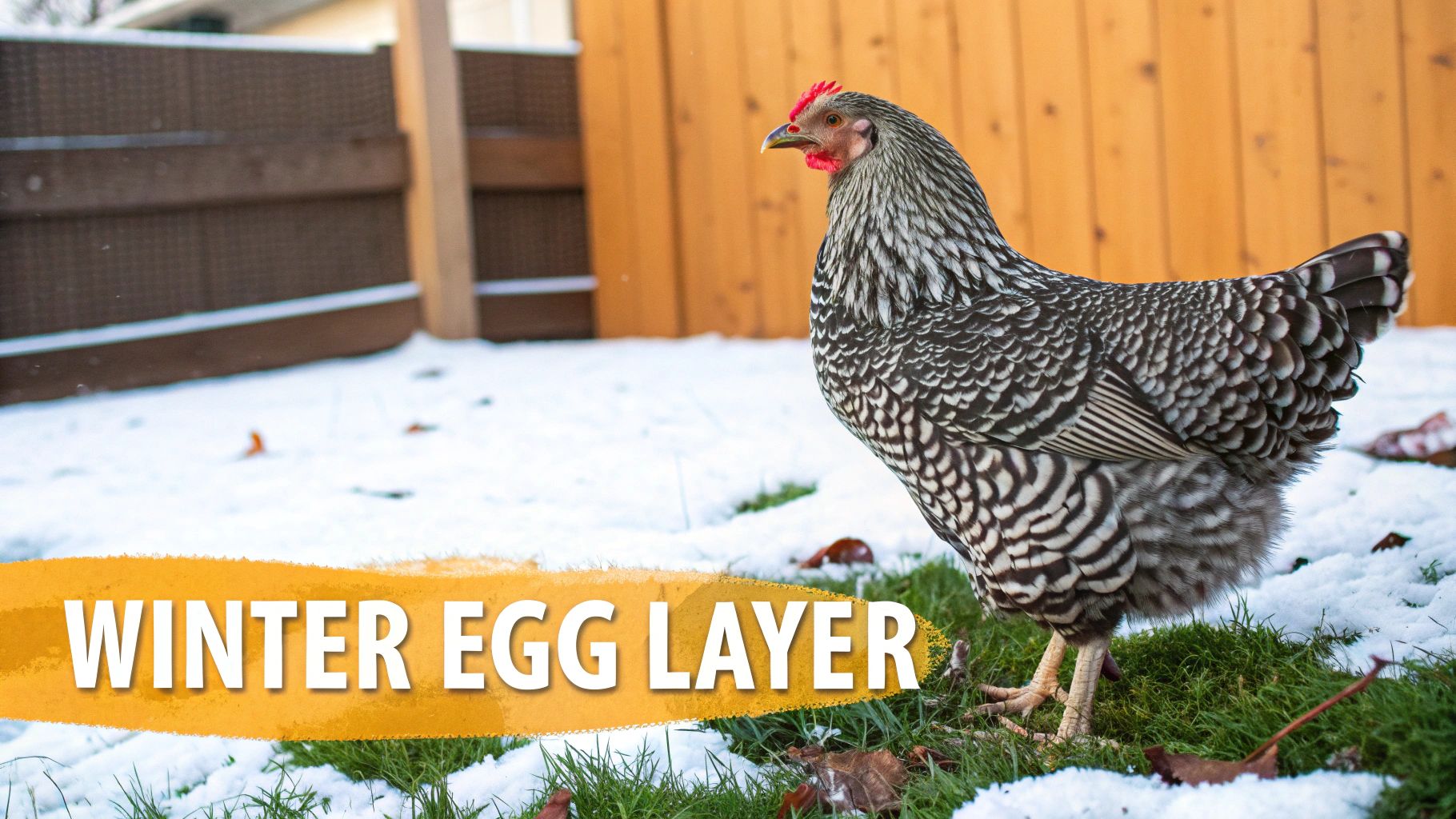
Wyandottes have a compact, "cobby" body and dense, fluffy feathering that provides excellent insulation against the cold. Their small rose comb is less susceptible to frostbite than the larger single combs of other breeds. While they can be prone to broodiness, their reliable nature and steady production of brown eggs make them an invaluable addition to any backyard flock, especially when the temperature drops.
Breed Profile & Egg Production
- Annual Egg Production: 150-200 eggs per year
- Egg Size & Color: Medium to large, light brown or cream-colored eggs
- Temperament: Generally calm, docile, and friendly; can be assertive in a mixed flock but are not typically aggressive.
- Hardiness: Exceptionally cold-hardy. They tolerate heat reasonably well but require ample shade and water.
- Size: Medium-bodied, weighing around 6-8 pounds.
Care & Feeding for Maximum Egg Output
Supporting a Wyandotte's health, especially through harsh winters, requires focusing on coop conditions and high-quality nutrition to fuel both body heat and egg production. Their dense feathering needs particular attention to stay effective.
Key Insight: A Wyandotte's greatest asset, its dense feathering, can become a liability if moisture builds up in the coop. Excellent ventilation is more critical than heavy insulation to prevent respiratory issues and frostbite caused by dampness.
To keep your Wyandottes laying steadily, even in the snow, implement these actionable tips:
- Prioritize Ventilation: Ensure your coop has excellent, draft-free ventilation to wick away moisture. Damp, stagnant air is a far greater threat to these fluffy birds than the cold itself.
- Manage Broodiness: If consistent egg production is your goal, be prepared to "break" a broody hen by removing her from the nesting box. Otherwise, their maternal instincts can be used to hatch chicks.
- Support Winter Laying: To help them produce strong shells during colder months, supplement with high-calcium treats. Black Soldier Fly Larvae (BSFL) from Pure Grubs provide a potent calcium boost that is crucial when foraging is not an option.
- Feather Health Checks: Regularly inspect their dense plumage for mites and lice, which can hide easily. Providing a dust bath area will help them maintain their feathers naturally.
6. Australorp Chickens
Hailing from Australia and developed from Black Orpington stock, the Australorp is a heritage breed that once shattered world records for egg-laying. While not as prolific as production hybrids, they are a fantastic dual-purpose bird, offering a superb balance of reliable egg production and excellent meat quality. This makes the Australorp a top contender for the best chicken breed for eggs for homesteaders and keepers who value both utility and a gentle disposition.
These birds are known for their beautiful, iridescent black plumage that shimmers with green and purple in the sun. They are famously calm, gentle, and easily handled, making them a wonderful choice for families with children or for mixed-flock environments. Their broody nature also appeals to those looking to hatch their own chicks and sustain their flock naturally.
Breed Profile & Egg Production
- Annual Egg Production: 200-250 eggs per year
- Egg Size & Color: Large, light brown eggs
- Temperament: Calm, docile, and friendly; they are often described as sweet and make excellent backyard pets.
- Hardiness: Exceptionally hardy in both cold and warm climates, though their dark plumage means they require access to shade in extreme heat.
- Size: Medium to large, weighing between 6-8 pounds, making them a substantial table bird.
Care & Feeding for Maximum Egg Output
As a dual-purpose breed, an Australorp's nutritional needs are geared towards supporting both consistent egg laying and a healthy, robust frame. Providing the right diet is crucial for helping them reach their full potential without depleting their energy reserves.
Key Insight: The Australorp's dual-purpose genetics mean they need a balanced diet rich in both protein and calcium to sustain egg production while maintaining body condition, especially if you plan to use them for meat.
To keep your Australorps productive and healthy, apply these actionable tips:
- Consistent Layer Feed: A high-quality layer feed with 16% protein is the foundation of their diet, providing the essential nutrients for daily laying.
- Support Shell Strength: Always provide a separate, free-choice source of calcium like crushed oyster shells. For an extra boost that also supports feather health and muscle development, supplement with Pure Grubs Black Soldier Fly Larvae, which are packed with both calcium and protein. You can find more information in this guide to the best calcium supplement for chickens.
- Manage Broodiness: If consistent egg production is your goal, be prepared to gently discourage broodiness by collecting eggs frequently and breaking up nesting behavior.
- Encourage Foraging: Give them ample space to roam. Australorps are excellent foragers who will supplement their diet with insects and greens, which improves their health and the quality of their eggs.
7. Orpington Chickens
Known as the "gentle giants" of the poultry world, Orpingtons are beloved British heritage birds that offer a fantastic combination of reliable egg-laying, a calm disposition, and excellent maternal instincts. Developed in Kent, England, they are a top-tier dual-purpose breed, making them a superb choice for homesteaders and families who value both eggs and a friendly, self-sustaining flock. Their fluffy feathers and gentle nature make them a true backyard delight.
Unlike production-focused breeds, Orpingtons are fantastic mothers and will readily go broody, making them ideal for those wanting to hatch their own chicks naturally. This maternal excellence, combined with their consistent egg production and placid temperament, cements their place as one of the best chicken breed for eggs for a sustainable, multi-purpose flock.
Breed Profile & Egg Production
- Annual Egg Production: 150-200 eggs per year
- Egg Size & Color: Large, light brown eggs
- Temperament: Exceptionally calm, friendly, and docile; one of the best breeds for families with children
- Hardiness: Very cold-hardy due to their dense, fluffy plumage. Their large size can make them more sensitive to high heat, so ample shade is crucial.
- Size: Large and heavy-bodied, typically weighing around 7-10 pounds.
Care & Feeding for a Dual-Purpose Flock
Supporting an Orpington requires balancing nutrition for steady egg production with the needs of a larger, heavier bird that may also be called upon for brooding. Their calm nature means they are less active foragers, so a well-rounded diet is paramount.
Key Insight: The Orpington's value lies in its versatility. Proper nutrition must support not just egg laying, but also their larger frame, potential meat qualities, and the intense energy demands of brooding and raising chicks.
To keep your Orpingtons healthy and productive, focus on these actionable tips:
- Balanced Layer Feed: Use a high-quality layer feed with 16% protein as the foundation of their diet. Avoid overfeeding, as their less active nature can make them prone to obesity.
- Support Maternal Health: When a hen is broody or raising chicks, her nutritional needs skyrocket. Supplement her diet with high-protein, high-calcium treats like Pure Grubs BSFL. This provides the energy needed for sitting and ensures her body isn't depleted of vital calcium, which is crucial for returning to lay after raising her clutch.
- Provide Secure Foraging: Orpingtons prefer the security of their home range over wandering far. Offer a safe, enclosed area for them to forage, which provides mental stimulation and supplements their diet without the risk of them straying.
- Heat Management: Their heavy bodies and dense feathering make them vulnerable to heat stress. Always provide ample shade, cool fresh water, and good coop ventilation during warmer months.
8. Buff Orpington and Golden Comet Hybrids
While heritage breeds offer charm and history, modern hybrids and selectively-bred heritage lines provide a powerful combination of temperament and high-volume egg production. Golden Comets, a sex-link hybrid, are specifically engineered for laying, while certain lines of Buff Orpingtons have been carefully selected for improved output, making them one of the best chicken breed for eggs choices for keepers who want both personality and productivity. This pairing represents a bridge between heritage value and the practical demands of modern homesteading.
Golden Comets are renowned for their calm, friendly nature and astonishing laying pace, often starting earlier than many purebreds. Buff Orpingtons are the gentle giants of the chicken world, known for their fluffy appearance, docile temperament, and reliable laying, even in colder weather. Both are excellent choices for families or those seeking a consistent egg supply from approachable birds.
Breed Profile & Egg Production
- Annual Egg Production: Golden Comet: 250-300+ eggs; Production-line Buff Orpington: 180-220 eggs
- Egg Size & Color: Large, brown eggs from both
- Temperament: Extremely friendly, docile, and curious; excellent for families and beginners
- Hardiness: Buff Orpingtons are very cold-hardy due to their dense feathering. Golden Comets are generally robust but benefit from a well-protected coop in harsh climates.
- Size: Medium to large, with Buff Orpingtons weighing 6-8 pounds and Golden Comets slightly smaller at 5-7 pounds.
Care & Feeding for Maximum Egg Output
Supporting the intense laying schedule of a hybrid like the Golden Comet, or the steady production of a Buff Orpington, requires robust and consistent nutrition. Their bodies are optimized for converting feed into eggs, and any deficiency will impact output and health.
Key Insight: High-production hybrids like Golden Comets deplete calcium reserves rapidly. Proactive, high-quality supplementation is not optional; it's essential for preventing thin shells, laying complications, and long-term health decline.
To keep these productive breeds laying strong, implement these actionable tips:
- High-Performance Layer Feed: Provide a premium layer feed with 16-18% protein to fuel their metabolic engines. This is the foundation of their diet.
- Aggressive Calcium Supplementation: Due to their high output, free-choice oyster shells are a must. For a superior calcium source, add Black Soldier Fly Larvae (BSFL) like Pure Grubs. The 85% more calcium than mealworms found in BSFL directly supports shell integrity, which is critical for breeds laying nearly every day.
- Optimize Lighting: To maintain a Golden Comet’s peak production through winter, ensure 14-16 hours of daily light. For Buff Orpingtons, this same lighting schedule will keep them laying, though a reduced schedule can encourage their natural broodiness if you wish to hatch chicks.
Top 8 Egg-Laying Chicken Breeds Comparison
| Breed | Implementation complexity 🔄 | Resource requirements ⚡ | Expected outcomes 📊 / ⭐ | Ideal use cases 💡 | Key advantages ⭐ |
|---|---|---|---|---|---|
| Leghorn Chickens | 🔄 Low — simple management but needs consistent lighting/nutrition | ⚡ Low space & feed per egg; requires high‑quality layer feed + calcium | 📊 250–300 eggs/yr; ⭐⭐⭐⭐ — top commercial layer efficiency | 💡 Urban/backyard egg maximization, low‑space homesteads | ⭐ Very high egg output; excellent feed conversion |
| Sussex Chickens | 🔄 Moderate — docile, some broodiness to manage | ⚡ Moderate space (7–9 lbs frame) and balanced feed; good foragers lower costs | 📊 150–200 eggs/yr; ⭐⭐⭐ — reliable dual‑purpose production | 💡 Family homesteads, pest control, friendly backyard flocks | ⭐ Dual‑purpose, calm temperament, good foraging |
| Rhode Island Red Chickens | 🔄 Moderate — hardy and low‑maintenance | ⚡ Moderate space & feed; tolerates varied conditions, good foraging | 📊 200–300 eggs/yr; ⭐⭐⭐⭐ — versatile egg + meat utility | 💡 Small farms, cold climates, mixed‑purpose flocks | ⭐ Hardy, disease‑resistant, strong dual‑purpose value |
| Plymouth Rock Chickens | 🔄 Moderate — calm but broody periods interrupt laying | ⚡ Higher space & feed (large frame); strong winter housing needs | 📊 150–200 eggs/yr; ⭐⭐⭐ — steady winter performance | 💡 Northern homesteads, family farms, heritage flocks | ⭐ Cold‑tolerant, calm, good foraging and meat quality |
| Wyandotte Chickens | 🔄 Moderate — broody tendency; monitor feather health | ⚡ Moderate space; benefits from good ventilation and parasite checks | 📊 150–200 eggs/yr; ⭐⭐⭐ — excellent winter laying consistency | 💡 Cold‑climate backyard, show flocks, compact homesteads | ⭐ Attractive plumage, outstanding winter layers, calm |
| Australorp Chickens | 🔄 Moderate — broody but generally easygoing | ⚡ Moderate space/feed; benefits from foraging and balanced diet | 📊 200–250 eggs/yr; ⭐⭐⭐⭐ — reliable dual‑purpose production | 💡 Sustainable homesteads, permaculture systems, families | ⭐ Calm, productive, good meat and egg balance |
| Orpington Chickens | 🔄 Moderate‑High — large, very broody; coop design matters | ⚡ High space & feed (heavy birds); higher maintenance for heat | 📊 150–200 eggs/yr; ⭐⭐⭐ — strong meat value + decent laying | 💡 Self‑sufficient homesteads, natural brooding programs | ⭐ Excellent maternal instincts, large meat bird, calm |
| Buff Orpington & Golden Comet Hybrids | 🔄 Variable — hybrids require nutritional & lighting management; breeding complexity if crossed | ⚡ Golden Comet: low space but high nutrition/calcium; Buff lines: higher feed for larger birds | 📊 Golden Comet 250–300+ / Buff 180–220 eggs/yr; ⭐⭐⭐⭐ — high productivity (Golden Comet) | 💡 Backyarders wanting max eggs, urban homesteads, hybrid‑heritage balance | ⭐ High production (Golden Comet) and heritage utility (Buff Orpington) |
Your Next Steps to a Productive Flock
Navigating the world of poultry to find the best chicken breed for eggs can feel like a monumental task, but as we've explored, the "best" choice is deeply personal. It's a decision woven from your climate, your space, your aesthetic preferences, and ultimately, your goals for your flock. Whether you landed on the industrial efficiency of the Leghorn or the gentle, dual-purpose nature of the Buff Orpington, you are now equipped with the foundational knowledge to move forward with confidence. The journey doesn't end with selecting a breed; it truly begins the day you bring your new flock home.
The common thread connecting every high-production hen, from the robust Rhode Island Red to the striking Wyandotte, is the quality of care she receives. A chicken's potential, encoded in her genetics, can only be fully realized in an environment that supports her health and well-being. This is where your role as a flock keeper transforms from a simple hobby into a rewarding partnership.
From Selection to Success: Key Takeaways
Recalling the detailed profiles of each breed, let's distill the core principles that will guide your success. Remember, these are not just suggestions; they are the pillars of a productive and thriving flock.
- Match the Breed to Your Needs: The most critical step is an honest self-assessment. Are you prioritizing a daily supply of eggs for a large family? A hybrid like the Golden Comet is an excellent choice. Do you need a resilient bird that can handle cold winters and also provide meat for the table? The Plymouth Rock or Australorp are fantastic options. If you're seeking a calm, friendly companion for a backyard setting, the docile Orpington is hard to beat.
- Nutrition is Non-Negotiable: A hen is an egg-laying machine that requires high-quality fuel. A balanced, 16-18% protein layer feed is the foundation of her diet. However, eggshell production is an incredibly calcium-intensive process. A hen's body will pull calcium from her own bones if her diet is deficient, leading to weak shells and long-term health problems.
- The Environment Dictates Production: Stress is the enemy of egg-laying. Overcrowding, unsanitary conditions, and insufficient access to food and water will cause a hen's system to shut down egg production to conserve resources. Ensure your coop provides adequate space (at least 4 square feet per bird inside, 10 square feet in the run), is well-ventilated, and kept clean.
A Proactive Approach to Health: The most effective way to manage poultry health is through prevention. Daily observation is your most powerful tool. Watch for changes in behavior, appetite, or droppings. A hen that isolates herself or seems lethargic is often the first sign of a brewing issue.
Your Action Plan for a Bountiful Egg Basket
Choosing the perfect breed is just the first chapter. To ensure a steady supply of strong, delicious eggs, it’s time to focus on the practical details that make all the difference.
- Source Your Birds Wisely: Research local breeders or reputable hatcheries. Ask about their flock health, vaccination programs, and the lineage of their birds. Starting with healthy, well-bred chicks gives you a significant advantage.
- Prepare Your Brooder and Coop: Before your chickens arrive, have their home ready. For chicks, this means a clean, warm brooder with fresh water and starter feed. For adult hens, ensure the coop is secure from predators, clean, and equipped with comfortable nesting boxes and roosts.
- Establish a Nutritional Strategy: Don't wait until you see thin-shelled eggs. Implement a calcium supplementation plan from the moment your hens begin to lay. While crushed oyster shells are a traditional option, consider modern, high-impact supplements that also boost protein.
For instance, incorporating Black Soldier Fly Larvae (BSFL) into their diet provides a significant, bioavailable calcium boost that directly supports shell integrity. This proactive step helps prevent common issues like egg-binding and ensures your hens have the reserves they need for a long, productive life. By mastering these foundational elements of care, you aren't just raising chickens; you are cultivating a sustainable source of food and creating a vibrant, rewarding addition to your homestead.
Ready to give your flock the nutritional advantage they need for superior eggshell quality? Pure Grubs offers USA-grown Black Soldier Fly Larvae, packed with up to 50 times more calcium than mealworms. Give your hens the natural, high-impact treat they need by visiting Pure Grubs and investing in their health and productivity today.