

10 Essential Kinds of Poultry Feeds Explained (2025 Guide)
Navigating the feed aisle can be a daunting task for any poultry keeper, with bags of mash, pellets, and crumbles all promising optimal health for your flock. Making the right choice is crucial, as the type of feed directly impacts everything from egg production and growth rates to the overall well-being of your birds. Missteps in nutrition can lead to deficiencies, poor development, or health complications, while the correct diet ensures your flock thrives.
This guide is designed to eliminate the guesswork. We will break down the 10 essential kinds of poultry feeds, providing a clear, detailed overview of each one. You will learn the specific purpose of every formulation, from starter crumbles designed for delicate chicks to specialized layer feeds that support strong eggshells. We'll examine their nutritional profiles, textures, and the best scenarios for their use.
By the end of this comprehensive list, you will have the knowledge to confidently select the perfect feed for every stage of your flock's life. This ensures you are providing tailored nutrition that supports robust growth, maximizes productivity, and promotes lasting health for every bird in your care, whether you're raising chickens, ducks, or other domestic fowl.
1. Mash Feed (Ground/Powdered Form)
Mash feed is the most traditional and one of the simplest kinds of poultry feeds available. It consists of a finely ground, unprocessed mixture of grains, proteins, vitamins, and minerals. With a consistency similar to flour or fine sand, this form ensures that every mouthful contains a balanced blend of nutrients, preventing selective eating, which is common in younger birds.
This powdered format is particularly beneficial for chicks and young poultry, as it's easy for them to consume and digest. It's also the ideal medium for administering medications or supplements, as these can be mixed in evenly, ensuring the entire flock receives a consistent dosage.
Best Use Cases & Recommendations
Mash is the standard for starter feeds. Its fine texture is perfect for newly hatched chicks who cannot yet handle larger pellets or crumbles. It's also a favorite among small-scale homesteaders and those who prefer to mix their own custom feed blends at home.
To improve consumption and reduce airborne dust, many keepers mix mash with a small amount of water to create a damp, oatmeal-like consistency. This "wet mash" is highly palatable and can encourage picky eaters or birds under stress to eat more.
Pro Tip: Use shallow, wide feeders designed specifically for mash. These reduce waste significantly, as chickens tend to "bill out" or flick feed they don't like when eating from deeper troughs, and the fine texture of mash makes this particularly messy. Ensure the feeder's lip is level with the birds' backs to minimize spillage.
2. Pellet Feed (Compressed Cylindrical Form)
Pellet feed is one of the most common and efficient kinds of poultry feeds used in both commercial and backyard settings. This form is created by taking a balanced mash mixture, heating it with steam, and then forcing it through a die under high pressure to form small, compressed cylinders. This process not only makes the feed less messy but also heat-treats the ingredients, which can increase nutrient digestibility and reduce harmful pathogens.
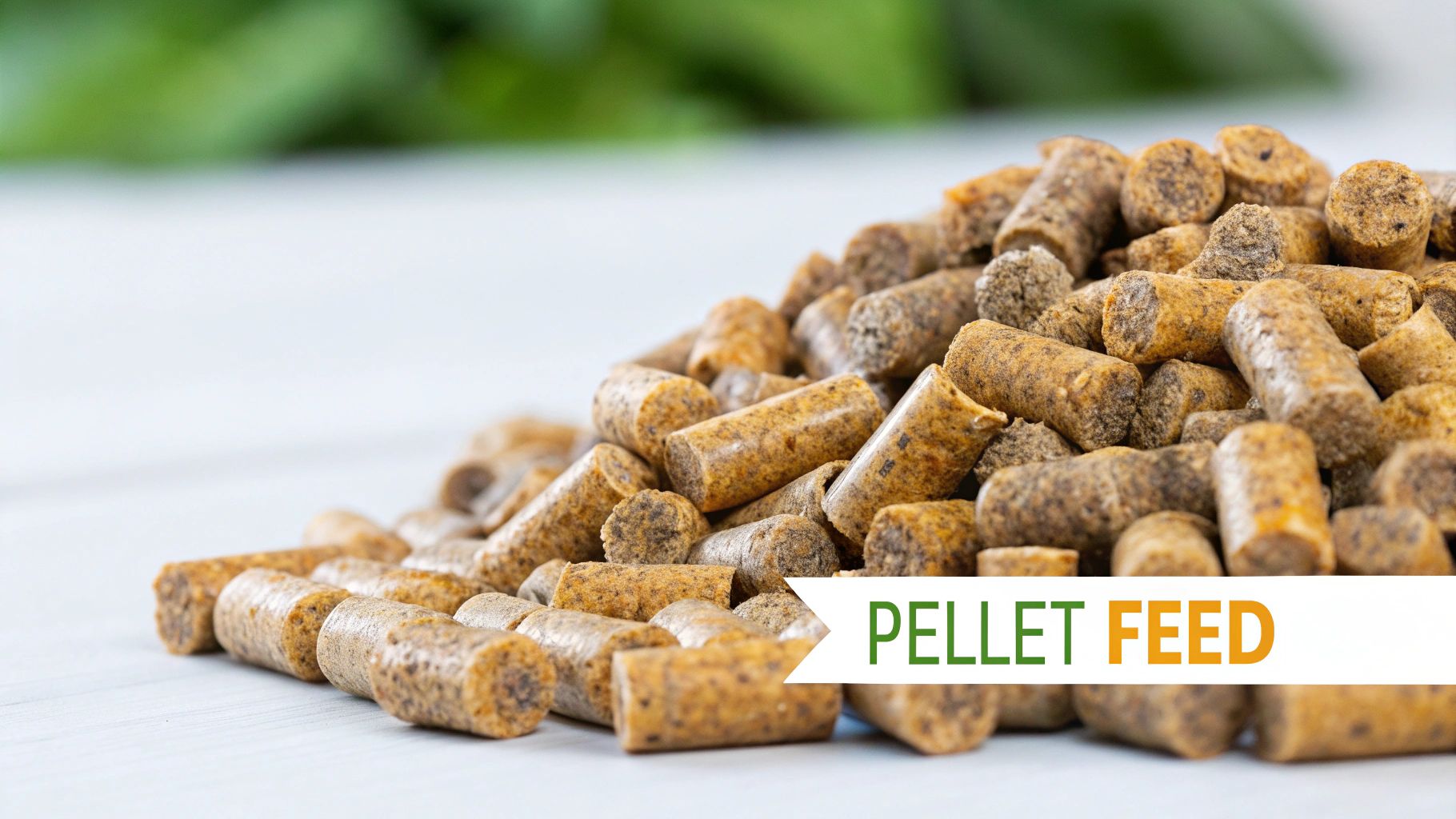
The uniform size of pellets, typically ranging from 2-4mm, ensures that each bird consumes a complete, well-rounded diet in every bite. This prevents the selective feeding that can occur with mixed grains or less uniform feeds. Major producers like Purina Mills and Cargill have popularized pellet feeds, making them a staple for layer hens as well as grower and finisher rations for meat birds.
Best Use Cases & Recommendations
Pellets are the ideal choice for adult and growing birds that have transitioned from starter mash. Their dense, compact form significantly reduces feed waste compared to mash, as birds are less likely to scratch it out of feeders. This makes them a cost-effective and clean option for flock owners.
To ensure a smooth dietary change, gradually mix pellets into the existing feed over a 7-10 day period. This helps the birds' digestive systems adjust and encourages acceptance of the new texture. Always provide constant access to fresh, clean water, as birds need adequate hydration to properly soften and digest the dense pellets.
Pro Tip: Store pellet feed in a cool, dry, and rodent-proof container. Moisture and humidity can cause pellets to break down into fines or develop mold, compromising their nutritional value and integrity. Using a hanging feeder or a trough-style feeder designed for pellets will further minimize waste and keep the feed clean.
3. Crumbles Feed (Broken Pellet Form)
Crumbles are essentially pellets that have been broken down into smaller, irregularly shaped pieces. This unique form acts as a perfect intermediary between fine mash and full-sized pellets, making it one of the most versatile kinds of poultry feeds. The semi-solid texture offers the nutritional consistency of pellets while being small enough for young birds to easily handle, encouraging natural pecking behavior without the risk of choking.
This feed type is designed to reduce the waste and airborne dust often associated with mash. By processing the feed into a more substantial form, crumbles ensure that birds consume a complete nutritional profile in each bite. This makes it a highly efficient choice for growers looking to transition their flock from starter mash to a finisher pellet.
Best Use Cases & Recommendations
Crumbles are the go-to feed for growing birds, such as pullets and cockerels, typically between the ages of 8 to 16 weeks. This form is ideal for the awkward "teenage" phase when birds have outgrown mash but aren't quite ready for large adult pellets. Many popular chick starter formulas, like those from Purina or Tractor Supply Co., are also offered in a crumble form.
For optimal results, ensure the crumbles remain dry, as moisture can cause them to clump together and promote mold growth. It's also wise to monitor the amount of fine powder or dust at the bottom of the feed bag; excessive dust can indicate poor quality control and may lead to respiratory issues or reduced feed intake.
Pro Tip: Use a hanging feeder or a trough-style feeder with a grate or "reel" on top. These designs prevent young, energetic birds from scratching and kicking the crumbles out, which is a common source of waste. Adjust the feeder height so it is level with the birds' backs to ensure easy access while minimizing spillage.
4. Scratch Grains (Whole Kernel Form)
Scratch grains are a supplemental treat and one of the most misunderstood kinds of poultry feeds. It consists of a blend of whole or cracked grains, such as corn, oats, wheat, barley, and millet. Unlike a complete feed, scratch is not nutritionally balanced and should be considered a high-energy, low-protein snack that encourages natural foraging behaviors.
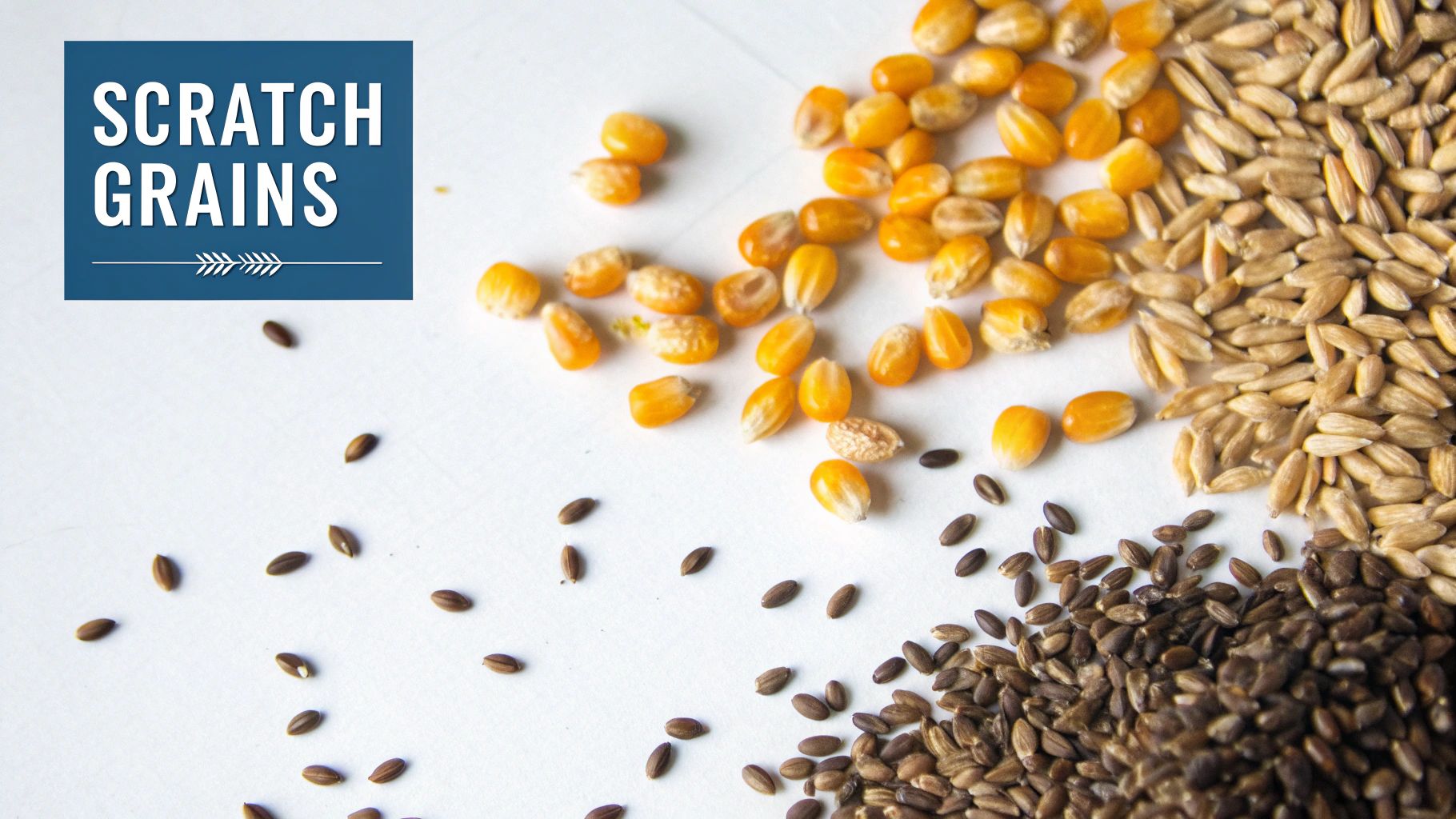
This feed form is primarily used for enrichment and as a supplemental energy source, especially during cold weather when birds need extra calories to stay warm. Tossing scratch onto the ground or in clean bedding mimics a natural environment, stimulating pecking and scratching instincts, which helps alleviate boredom and reduce flock stress.
Best Use Cases & Recommendations
Scratch grains are ideal for backyard chicken keepers and homesteaders looking to provide their flock with a rewarding treat and a stimulating activity. It is most beneficial when offered in the late afternoon, giving the birds time to digest the energy-dense grains overnight, which helps generate body heat. This makes it particularly useful for flocks in colder climates during winter months.
It's also a fantastic tool for training. Many keepers use a familiar call while scattering scratch to easily herd their flock back into the coop at night. This practice builds a positive association with returning to the coop, making daily management simpler and less stressful for both the birds and their keeper.
Pro Tip: Treat scratch like a dessert. It should make up no more than 10% of your flock's total diet. Overfeeding scratch can lead to nutritional deficiencies and obesity, as chickens may fill up on these tasty grains instead of their balanced feed. Always store it in a sealed, rodent-proof container to maintain freshness and prevent pests.
5. Specialty/Medicated Feed (Therapeutic Purpose)
Specialty or medicated feed is one of the more specific kinds of poultry feeds, designed for therapeutic purposes rather than just basic nutrition. It contains pharmaceutical ingredients intended to prevent or treat common poultry diseases, particularly during vulnerable life stages. This feed is a critical tool for managing flock health, especially in larger or more concentrated populations.
The most common additives are coccidiostats, like Amprolium, which prevent coccidiosis, a deadly parasitic disease in young chicks. Other medications may include antibiotics to manage bacterial infections. These ingredients are precisely mixed into a standard mash or crumble base to ensure every bird receives a consistent, therapeutic dose with each bite.
Best Use Cases & Recommendations
Medicated feeds are almost standard practice for starter rations, especially for chicks purchased from hatcheries or those raised in brooders where coccidiosis can spread rapidly. It is crucial for preventing outbreaks before they start. Broiler operations and turkey producers often rely on medicated starter feeds to protect their young, fast-growing birds from common ailments.
Always use medicated feed under the guidance of a veterinarian and for the recommended duration only. It is not a long-term solution. When raising birds for meat or eggs, you must adhere strictly to the "withdrawal period" specified on the feed bag, which is the time required between the last feeding of medicated feed and processing or consumption of eggs to ensure no drug residue remains.
Pro Tip: Never mix different medicated feeds or add extra supplements without veterinary approval. Use dedicated feeders for medicated feed to prevent cross-contamination with the rest of your flock's rations. Always store it in a cool, dry place to maintain the medication's potency.
6. Layer Feed (Specialized Nutritional Formulation)
Layer feed is one of the most critical kinds of poultry feeds for anyone raising hens for egg production. It is a complete feed specifically formulated to support the nutritional demands of laying birds. Its precise blend contains optimized protein levels, typically 16-18%, and significantly elevated calcium, around 3-4%, which is essential for developing strong, healthy eggshells.
This specialized formulation ensures a laying hen receives everything she needs to consistently produce eggs without depleting her own bone density. Unlike starter or grower feeds, the mineral balance in layer feed, particularly the calcium-to-phosphorus ratio, is tailored for adult birds in active production. It is available in mash, pellet, and crumble forms to suit flock preferences and management styles.
Best Use Cases & Recommendations
Layer feed is designed for hens once they reach laying age, which is usually around 16 to 20 weeks old. Transitioning to this feed too early can cause kidney damage due to the high calcium content, while waiting too long can lead to soft-shelled eggs and poor production. Top brands like Purina Layena and Producer's Pride offer reliable and consistent formulations.
Always provide a constant supply of fresh, clean water, as water intake is directly linked to egg production. Monitor the quality of your eggshells; thin or weak shells can indicate a need for supplemental calcium, like oyster shell offered free-choice. Learn more about the importance of high-calcium feed for your flock's health on puregrubs.com.
Pro Tip: When you switch your flock to layer feed, do it gradually over 7-10 days. Mix the new layer feed with their current grower feed, slowly increasing the proportion of the layer feed each day. This gradual change helps prevent digestive upset and allows their systems to adjust to the different nutritional profile.
7. Broiler Feed (Growth-Optimized Formulation)
Broiler feed represents one of the most specialized kinds of poultry feeds, scientifically engineered for maximum growth in meat birds. This high-performance diet is characterized by its exceptionally high protein content, typically ranging from 20-24%, and an energy ratio optimized for rapid muscle and skeletal development. Unlike feeds for laying hens, its primary goal is to bring birds to market weight efficiently and quickly.
The formulation is not static; it changes as the birds age to match their evolving nutritional needs. It's typically divided into three distinct stages: a high-protein starter (0-3 weeks), a balanced grower (3-6 weeks), and a high-energy finisher (6 weeks to processing). This staged approach, pioneered by commercial integrators like Tyson Foods and Cargill, ensures optimal nutrient delivery at every phase of development.
Best Use Cases & Recommendations
This feed is essential for anyone raising meat birds like Cornish Cross or other broiler breeds. Using a standard layer feed for these birds will severely stunt their growth and lead to health issues. The high-protein composition is critical for developing substantial muscle mass. To explore more about the importance of protein in a chicken's diet, you can learn more about high protein foods for chickens.
For best results, transition between feed stages gradually over 2-3 days by mixing the old and new feeds. This prevents digestive upset. Also, ensure constant access to fresh, clean water, as broilers drink roughly twice as much water as they eat feed by weight.
Pro Tip: Proper management is as crucial as the feed itself. Ensure broilers have adequate feeder space to prevent competition and provide excellent ventilation. The rapid growth rate of these birds puts stress on their systems, and good airflow and temperature control are vital to prevent respiratory issues and leg problems.
8. Waterfowl/Specialty Poultry Feed (Species-Specific Formulation)
While often grouped with chickens, other poultry like ducks, geese, and turkeys have distinct nutritional needs that standard chicken feed cannot fully meet. Waterfowl and other specialty kinds of poultry feeds are formulated to address these unique requirements, ensuring optimal health and development for species beyond the common chicken.
These specialized diets contain adjusted levels of key nutrients. For instance, waterfowl feeds are fortified with higher levels of niacin, an essential B vitamin that prevents debilitating leg and joint issues common in ducklings and goslings. They also feature carefully balanced amino acid profiles and protein levels tailored to the specific growth rates and dietary habits of birds like turkeys or game birds, which differ significantly from those of chickens.
Best Use Cases & Recommendations
This feed is non-negotiable for anyone raising ducks, geese, turkeys, quail, or pheasants. Using a species-specific formula from the start prevents common health problems and supports natural behaviors and growth patterns. For waterfowl, some feeds are even designed as floating pellets, which mimics their natural foraging behavior on water.
Always research the specific requirements of your birds. For example, a comprehensive duck feeding guide can provide crucial insights into their life-stage needs. Ensure any waterfowl have constant access to drinking water, especially during feeding, as they use it to help swallow their food and keep their nasal passages clear.
Pro Tip: If a dedicated waterfowl starter feed is unavailable, you can supplement a standard chick starter mash with brewer's yeast (at a rate of 1.5 tablespoons per cup of feed) to increase the niacin content. However, switching to a proper species-specific formula as soon as possible is always the best practice for long-term health.
9. Organic/Non-GMO Feed (Certification-Based Formulation)
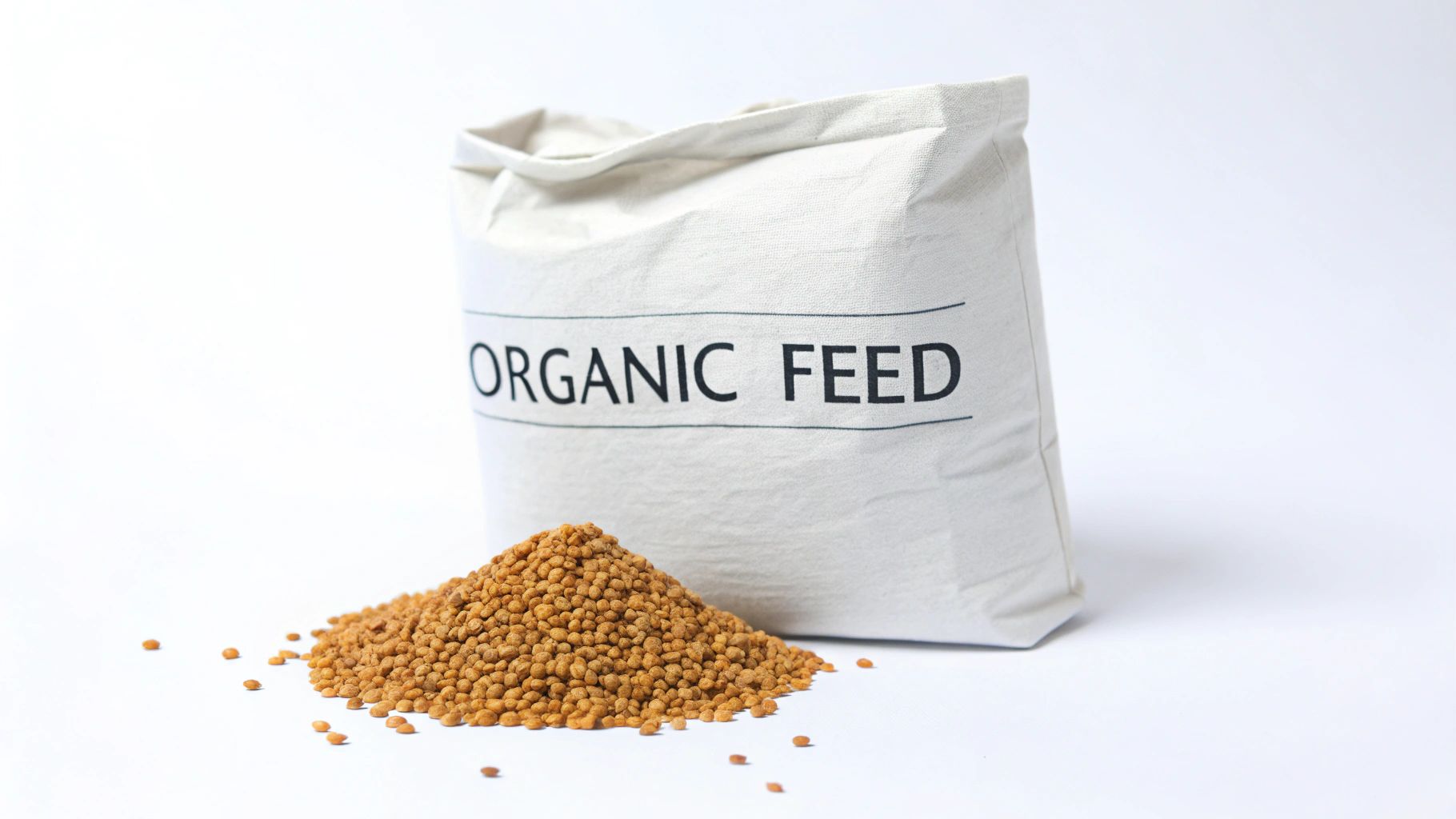
Organic/Non-GMO feed is a specialized category among the kinds of poultry feeds, defined by strict certification standards rather than its physical form. This feed is made from ingredients grown without synthetic pesticides, herbicides, or genetically modified organisms (GMOs). To be labeled "USDA Organic," the entire production process, from the field where the grain is grown to the mill where the feed is mixed, must adhere to rigorous federal guidelines.
This formulation addresses a growing consumer demand for poultry products raised in a more natural, sustainable manner. It ensures that no antibiotics, hormones, or animal by-products are included in the feed, appealing to health-conscious producers and those serving niche markets. Brands like Scratch and Peck Feeds and Nature's Best Organic have popularized these options for both commercial and backyard flock keepers.
Best Use Cases & Recommendations
This feed is essential for any poultry producer who intends to market their eggs or meat as certified organic. It's also a top choice for homesteaders and small-scale farmers committed to sustainable agriculture and providing the most natural diet possible for their birds. Due to the absence of preservatives, proper storage in a cool, dry place is critical to prevent spoilage.
Because organic feed production runs can be less frequent, it's wise to order well in advance and build a strong relationship with a reliable supplier to avoid shortages. Detailed record-keeping of all feed purchases is a non-negotiable requirement for maintaining organic certification and passing audits.
Pro Tip: If you plan to sell certified organic products, start the USDA certification process for your farm long before you begin. This involves significant paperwork and inspections. Always keep detailed feed receipts and invoices in a dedicated binder for compliance, as auditors will require proof that your flock has been fed 100% certified organic feed from their second day of life.
10. Maintenance/Breeder Feed (Reproductive Optimization)
Maintenance and breeder feeds are specialized kinds of poultry feeds formulated for birds not in active egg production or those being prepared for the breeding season. These rations are carefully balanced to sustain adult birds, such as roosters, non-laying hens, or show birds, without providing the excess calcium and protein found in layer feeds, which can lead to health issues like kidney damage over time.
Breeder-specific formulas go a step further by including enhanced levels of key vitamins and minerals like Vitamin E, selenium, and folic acid. These nutrients are vital for optimizing fertility in both males and females, improving egg viability, and increasing the hatchability of fertile eggs. This precise nutrition ensures that offspring get the best possible start in life, even before they hatch.
Best Use Cases & Recommendations
This feed is essential for maintaining a healthy mixed-sex flock where roosters and non-layers live alongside laying hens. It is also the go-to choice for anyone serious about breeding, from small hatchery operations to heritage breed enthusiasts. Formulations like Purina Flock Raiser or specialized breeder flock mixes provide the ideal nutritional profile for these specific life stages.
Start transitioning your breeding flock to a breeder formula about a month before you plan to collect eggs for hatching. For roosters and other non-layers, this feed can be provided year-round to keep them in peak physical condition without the risk of over-nutrition.
Pro Tip: Regularly monitor the body condition of birds on maintenance feed. Adjust their rations based on individual weight and activity levels to prevent them from becoming over or underweight. Supplementing their diet with fresh greens can provide natural enrichment and additional micronutrients that support overall vitality and reproductive health.
Comparison of 10 Poultry Feed Types
| Feed Type | 🔄 Implementation Complexity | ⚡ Resource Requirements | ⭐ Expected Outcomes | 📊 Ideal Use Cases | 💡 Key Advantages / Tips |
|---|---|---|---|---|---|
| Mash Feed (Ground/Powdered Form) | Low — simple grinding & mixing | Low cost equipment; good ventilation & airtight storage | ⭐⭐⭐ Moderate — uniform nutrient mix; good for young birds | Small farms, chicks, medicated mixes | 💡 Good for meds; store airtight, use masks to reduce dust |
| Pellet Feed (Compressed Cylindrical Form) | High — requires pellet mill / extrusion | Higher production cost; specialized equipment; dry storage | ⭐⭐⭐⭐⭐ High — improved FCR, reduced waste & dust | Commercial broilers/layers; automated feeding systems | 💡 Transition slowly from mash; ensure constant water to avoid impaction |
| Crumbles Feed (Broken Pellet Form) | Medium — pellet production then crumbling | Pellet plant or purchased crumbles; moderate cost | ⭐⭐⭐⭐ High for starters — easy consumption, low dust vs mash | Chick starter, poults, transition feed | 💡 Use shallow feeders, keep dry; transition to pellets after 6–8 weeks |
| Scratch Grains (Whole Kernel Form) | Low — minimal processing | Very low cost; long shelf life if dry; rodent-proof storage | ⭐⭐ Low for complete nutrition — good energy supplement & enrichment | Treats, foraging enrichment, winter energy boost | 💡 Limit to 10–20% of diet; never sole feed; store in metal containers |
| Specialty/Medicated Feed (Therapeutic Purpose) | Medium–High — veterinary oversight & labeling | Requires vet guidance, record-keeping, compliance | ⭐⭐⭐⭐⭐ High for disease prevention/treatment when used correctly | Disease control programs, outbreak prevention in flocks | 💡 Follow withdrawal periods strictly; keep separate feeders and records |
| Layer Feed (Specialized Nutritional Formulation) | Medium — precise mineral/protein formulation | Balanced Ca:P, proteins, pigments; moderate cost | ⭐⭐⭐⭐ High — optimized egg production & shell quality | Laying hens from ~16 weeks onward | 💡 Switch at 16 weeks; provide grit & fresh water; monitor shells |
| Broiler Feed (Growth-Optimized Formulation) | Medium–High — stage-specific formulations | High-protein & energy ingredients; higher feed cost | ⭐⭐⭐⭐⭐ Very high — rapid growth, efficient FCR when managed | Commercial meat birds (starter→grower→finisher phases) | 💡 Use correct stage feeds; ensure ventilation and adequate water |
| Waterfowl / Specialty Poultry Feed | Medium — species-specific nutrient tweaks | Specialized ingredients (e.g., niacin); sometimes floating pellets | ⭐⭐⭐⭐ High for species-specific health & performance | Ducks, geese, turkeys, game birds | 💡 Ensure niacin for waterfowl; provide water access during feeding |
| Organic / Non‑GMO Feed (Certification‑Based) | High — sourcing & certification requirements | Premium ingredients, certification costs, limited availability | ⭐⭐⭐ High market value; variable nutrient consistency | Organic/sustainable farms, premium product markets | 💡 Plan orders early; keep strict records; store carefully to avoid spoilage |
| Maintenance / Breeder Feed (Reproductive Optimization) | Low–Medium — adjusted nutrient balance | Moderate cost; targeted vitamins/minerals for breeders | ⭐⭐⭐⭐ Good — maintains body condition, improves hatchability | Non-laying birds, roosters, breeders pre-breeding | 💡 Switch non-layers to maintenance; use breeder feed 2–4 weeks pre-breeding |
Building the Perfect Diet for a Thriving Flock
Navigating the diverse world of poultry feeds can feel complex, but as we've explored, each type serves a distinct and vital purpose in the lifecycle of your birds. From the fine consistency of mash for newly hatched chicks to the nutrient-dense pellets for a flock of laying hens, understanding these options is the first step toward becoming a more effective and knowledgeable poultry keeper. The journey from a fragile chick to a robust, productive adult is fueled entirely by the nutrition you provide.
The key takeaway is that there is no single "best" feed, only the best feed for your flock's specific needs right now. A rapidly growing broiler chick has vastly different dietary requirements than a mature rooster or a flock of laying ducks. Recognizing these differences and aligning your feed choice accordingly is what separates a thriving flock from one that merely survives. This is why a deep understanding of the various kinds of poultry feeds is not just an academic exercise; it is a practical tool for ensuring animal welfare, maximizing productivity, and preventing common health issues.
Turning Knowledge into Action
Your next step is to evaluate your current feeding strategy against the insights gained here. Look at your flock and ask critical questions:
- Life Stage Assessment: Are your birds at the right age for the feed you're providing? A starter crumble is perfect for chicks, but a flock of six-month-old pullets needs to transition to a layer feed to support their upcoming egg production.
- Behavioral Observation: Are your birds wasting a lot of feed? If you notice them billing out fine particles from a mash, switching to pellets or crumbles could significantly reduce waste and ensure they consume a complete nutritional profile with every bite.
- Goal Alignment: What is the primary purpose of your flock? For those raising meat birds, a high-protein broiler feed is non-negotiable for achieving efficient growth. For a backyard flock kept for eggs, a calcium-fortified layer feed is essential for strong shells and sustained production.
Remember that the feed bag is just the beginning. The most successful poultry keepers see their base feed as the foundation of a comprehensive nutritional plan. Treats, supplements, and forage all play a role in creating a balanced and enriching diet.
The Foundation of Flock Health
Ultimately, mastering the different kinds of poultry feeds empowers you to be a proactive caretaker. It allows you to troubleshoot health issues, optimize performance, and provide a higher quality of life for your animals. Whether you are managing a small backyard flock or a larger homestead operation, the principles remain the same: observe your birds, understand their nutritional needs, and select the right feed to help them flourish. This thoughtful approach to nutrition is the most fundamental investment you can make in the long-term health, happiness, and productivity of your flock.
Ready to elevate your flock's diet with a natural, high-protein supplement that supports stronger eggshells and vibrant feathers? Complement your chosen base feed with our premium Black Soldier Fly Larvae. Visit Pure Grubs today to learn how our USA-grown grubs can provide the essential nutrients your birds crave.